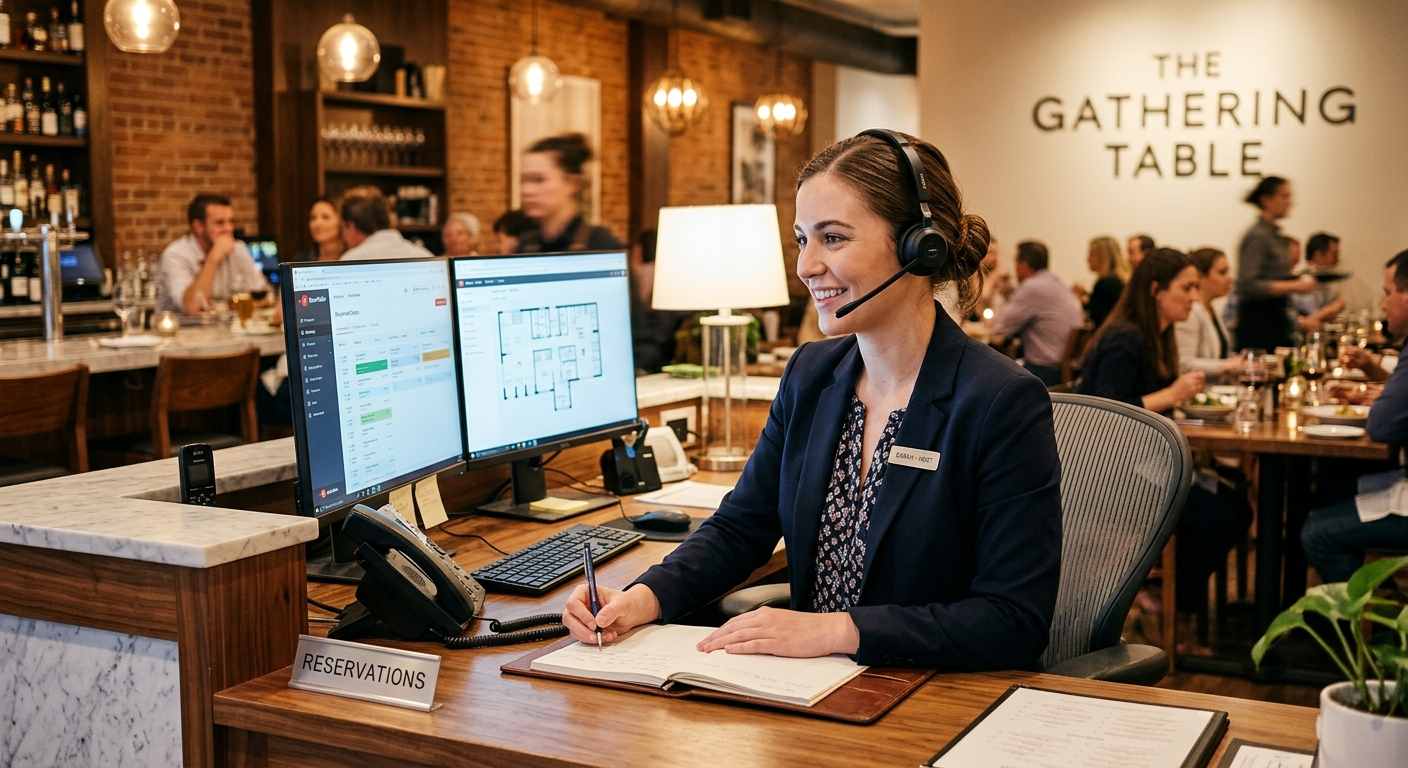
A no-show isn’t just a minor annoyance. It’s a reserved table sitting empty during your busiest hours, making zero money while you turned away a walk-in who would have happily filled it. To stop losing cash this way, you first need a clear answer to what is a restaurant no-show and exactly how it’s draining your bottom line.
A missed booking happens when a group reserves a table and simply doesn’t show up: no call, no cancellation, nothing. It throws off your whole night: the prep, the staffing, the seating plan. The fix isn’t punishing diners for forgetting. It’s confirming every reservation automatically, before they even have the chance to.
Managing an empty table during dinner rush is one of the more frustrating problems in this business, because it’s almost entirely preventable. Once you understand why people miss reservations in the first place, you can build a system that closes the gap. Every chair in your dining room is a chance to make money. A solid plan is what keeps that money instead of letting it walk out the door, or rather, never walk in at all.
What No-Shows Really Cost Your Restaurant
Every empty reserved table means lost food sales, wasted prep work, and a server you scheduled for nothing. When your team gears up for a busy Friday, they’re counting on every seat to actually pay off.
On weekends and holidays, a handful of missed reservations can wipe out the night’s margin entirely. You already bought the ingredients. You already scheduled the extra hands. And you already turned away walk-ins who would have gladly taken those seats. That revenue is just gone, with nothing to show for it.
Tracking how often this happens is the first real step toward fixing it. Once you can see the pattern (which nights, time slots, booking sources) you can adjust prep and staffing to actually match what’s likely to happen, not just what’s on the reservation book.
The numbers are worth sitting with. On a normal weekday, restaurant no-show guests typically run around 5-8 percent. That stings, but it’s manageable. On a busy Friday or Saturday, that number often jumps to 15 or 20 percent. On major holidays, it can be worse. What should be one of your best nights of the month turns into a stressful math problem instead.
Why Guests Don’t Show Up
Most no-shows aren’t intentional. People double-book, forget the time, or just assume skipping a casual reservation is no big deal. In a world full of competing plans, a dinner booking made two weeks ago is easy to lose track of without a reminder.
Reservations made far in advance are the ones most likely to fall through. Life gets busy, work runs long, and calling to cancel feels like one more task on an already full plate. Most guests genuinely don’t understand what is a restaurant no-show from the owner’s side: the lost food cost, the staff you scheduled, the walk-in you turned away an hour earlier expecting their table to be needed.
The longer the gap between booking and the actual meal, the higher the odds that the table sits empty. Without a quick nudge close to the reservation time, there’s simply no pressure to show up or to think about canceling.
Many diners assume someone else will just take the table if they don’t. In reality, by the time you realize a party isn’t coming, you’ve already turned people away who would have filled it and that’s the moment the night actually starts to lose money.
Build a No-Show Policy That Protects Your Tables
A clear, fair restaurant no-show policy sets expectations and gives guests a real reason to follow through. When people know there are rules in place, they tend to treat your reservation system with more respect.
Many restaurants now use modest restaurant no-show fees or require a card on file to hold larger party reservations, especially for weekend prime time. Charging even a small amount for a missed booking gives people a concrete reason to call and cancel rather than just not showing up, they’d rather pick up the phone than lose the money.
Whatever policy you choose, it needs to be communicated clearly at the time of booking. Surprise charges create disputes. Clear expectations don’t.
A few things that make this work well in practice:
- Keep the rules visible on your booking page, not buried in fine print.
- Keep the charge proportional to your actual lost cost. This isn’t about punishing honest mistakes; it’s about covering what the no-show actually costs you.
- Build in a short grace period, maybe 15 minutes, before releasing the table to someone else.
- Make sure your staff can explain the policy calmly and confidently if a guest asks about it on the phone.
Most diners who actually care about your restaurant understand this. People who value good food and good service get why restaurant no-show fees exist, they just want the system applied fairly.
Confirmations and Reminders That Actually Reach Guests
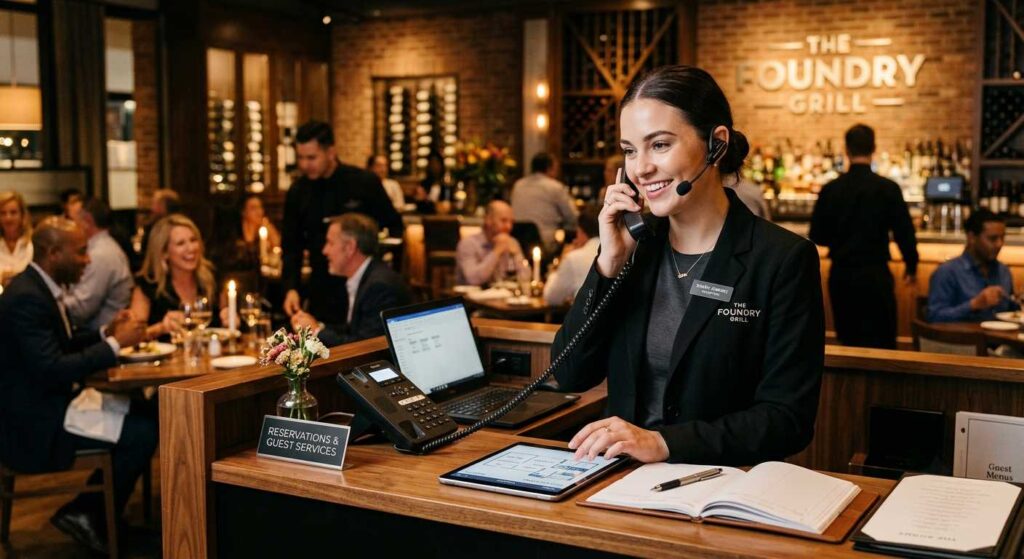
Automated confirmations and reminders work because they catch people before the reservation slips their mind entirely. A well-timed text is a quiet nudge that keeps your restaurant on their radar without feeling like a hassle.
Giving guests a fast, one-tap way to adjust their reservation saves tables that would otherwise just sit empty. If someone realizes mid-week that they can’t make Friday, let them change the time in seconds. That keeps them as a customer and frees the table for someone else.
This is where automation genuinely pays for itself, as it handles reminders without adding work for your front-of-house team. It also reduces awkward disputes over restaurant no-show fees, since the guest had multiple easy opportunities to reschedule or cancel before the charge ever came up.
A simple system gets used. A text that says “Reply 1 to confirm your table, or 2 to change your time” takes a guest two seconds to respond to and it saves your restaurant hours of empty tables and lost revenue over a month.
Newo.ai handles all of this automatically – bookings, confirmation texts, and reminder calls – running 24/7 without taking up a minute of your staff’s time. It removes the back-and-forth of confirming every reservation by hand, so your hosts can stay focused on the floor rather than the phone.
Track and Prevent No-Shows Automatically with Newo.ai
This is exactly the kind of problem Newo.ai was built to solve. As a restaurant no-show tracking software and AI host in one, it logs every call, text, and reservation, giving you real visibility into who shows up and who consistently doesn’t. That data is what lets you make smarter calls about who gets your best tables on a packed Friday night.
The AI answers every incoming call within seconds, books the table directly into your system, sends confirmation and reminder texts, and flags reservations that look at higher risk of becoming a no-show, based on actual booking history, not guesswork.
A few specifics worth knowing: it never misses a call, even late at night when your host stand is empty, and the restaurant is closed. It alerts your kitchen and floor staff immediately when a cancellation comes in, so they can adjust prep and staffing in real time. And it remembers patterns in guest behavior over time, so your system gets smarter at predicting restaurant no-show guests the longer it runs.
Setup takes a few minutes on your existing website, and you keep your current phone number, no need to switch providers or retrain your team on a new system. It quietly turns missed calls into booked, confirmed tables.
If empty tables on your busiest nights are costing you real money, see how Newo.ai works for restaurants or book a free demo and see your AI host in action in about three minutes. No credit card, no commitment, just a clear look at how many of those empty seats you could actually be filling.