To cut appointment no-show rates for good, you need two things working together: clear policies that set expectations upfront, and automated reminders that reach clients before they forget. Get both right and missed visits drop without adding any extra work for your staff.
A no-show isn’t just an empty slot. It’s lost revenue, wasted prep time, and a gap that no walk-in can fill on short notice. Over the course of a week, they quietly erase a meaningful share of what your schedule should have earned. This guide covers why people skip appointments, how to prevent them, and how to set up a system that handles most of the work automatically.
The True Cost of a No-Show
The math is uncomfortable but worth sitting with. Take a standard visit value, say $150. Three no-shows a day mean $450 in daily revenue that doesn’t happen. Over a month, that’s close to $10,000. And that calculation doesn’t include the second loss: the client who couldn’t book the slot because it looked occupied, then found someone else in the meantime.
You’ve already paid for the staffing, the overhead, and the open door. The prep was done. The chair was empty. When you see the number in real dollars over a full month, the case for fixing it becomes hard to ignore. Empty slots aren’t just an inconvenience; they’re a structural drain on profitability that compounds quietly week after week.
Why Patients and Clients Skip Appointments
Most no-shows aren’t intentional. People don’t typically decide to skip – they forget, double-book, lose track of the date, or let the appointment drift out of mind when something more urgent takes over. The longer the gap between booking and the visit, the higher the risk. Someone who booked four weeks ago and received no follow-up communication has very little reason to remember the appointment on the day of the appointment.
Anxiety and embarrassment play a role too. A patient who’s nervous about a procedure might keep meaning to reschedule but never quite get around to calling. Someone who realizes the day before that they can’t make it feels awkward about canceling and hopes it’ll somehow resolve itself. They don’t show up, and you find out when the slot stays empty.
Understanding these real reasons is the foundation of how to reduce patient no-shows effectively. The fix isn’t just reminders; it’s removing the friction that makes canceling feel harder than it should.
Reminders and Confirmations That Actually Work
Automated reminders are the single most effective tool for keeping people on schedule, and they work because they meet clients where they are, on their phones, right when the information is useful.
A single reminder isn’t enough. A sequence works better:
- A confirmation message at the moment of booking locks in the details immediately. The client sees the date and time when it’s fresh, which reduces the chance of a double-booking.
- A reminder 24 to 48 hours before the appointment catches most of the drift. It gives clients enough time to reschedule if something has come up, rather than just not showing.
- A same-day message a few hours before the slot is brief and practical; it includes the address, any prep instructions, and a one-tap way to confirm they’re coming.
Every message should include easy rescheduling. Not a phone number to call – a link to pick a new time. People avoid making cancellation calls because they feel awkward. A text link removes that friction entirely. The slot frees up early enough to offer to someone else, and your team gets an automatic heads-up. Good reminders do most of the heavy lifting without anyone on your staff lifting a finger.

Building a No-Show Policy That Sticks
Reminders help with forgetfulness. A clear policy addresses the pattern of repeat offenders – clients who book and don’t show up repeatedly without consequence.
A well-designed policy doesn’t need to be punitive to be effective. A small cancellation fee for last-minute cancellations (for example, within 24 hours) or a deposit requirement for longer services provides a financial incentive to honor the booking. When someone has skin in the game, they’re more likely to reschedule than disappear.
What makes a policy stick is clarity at the point of booking. Clients should see the terms, confirm they’ve read them, and understand what happens if they don’t show. This removes the surprise and dispute that comes later when a fee is applied. Train your staff to apply the policy consistently; inconsistency is what makes any policy meaningless. A fair, evenly applied rule respects both your time and the client’s, and most people respond to that reasonably.
The goal isn’t to punish people who occasionally forget. It’s to create a structure that naturally shifts behavior and protects your revenue from clients who repeatedly treat your time as optional.
Automating the Whole Process End to End
Manual schedule management is exhausting. Calling clients to confirm, tracking who replied, filling gaps when someone cancels- it’s time-consuming and easy to drop during a busy period. The most reliable fix is a system that handles it all automatically, without staff involvement.
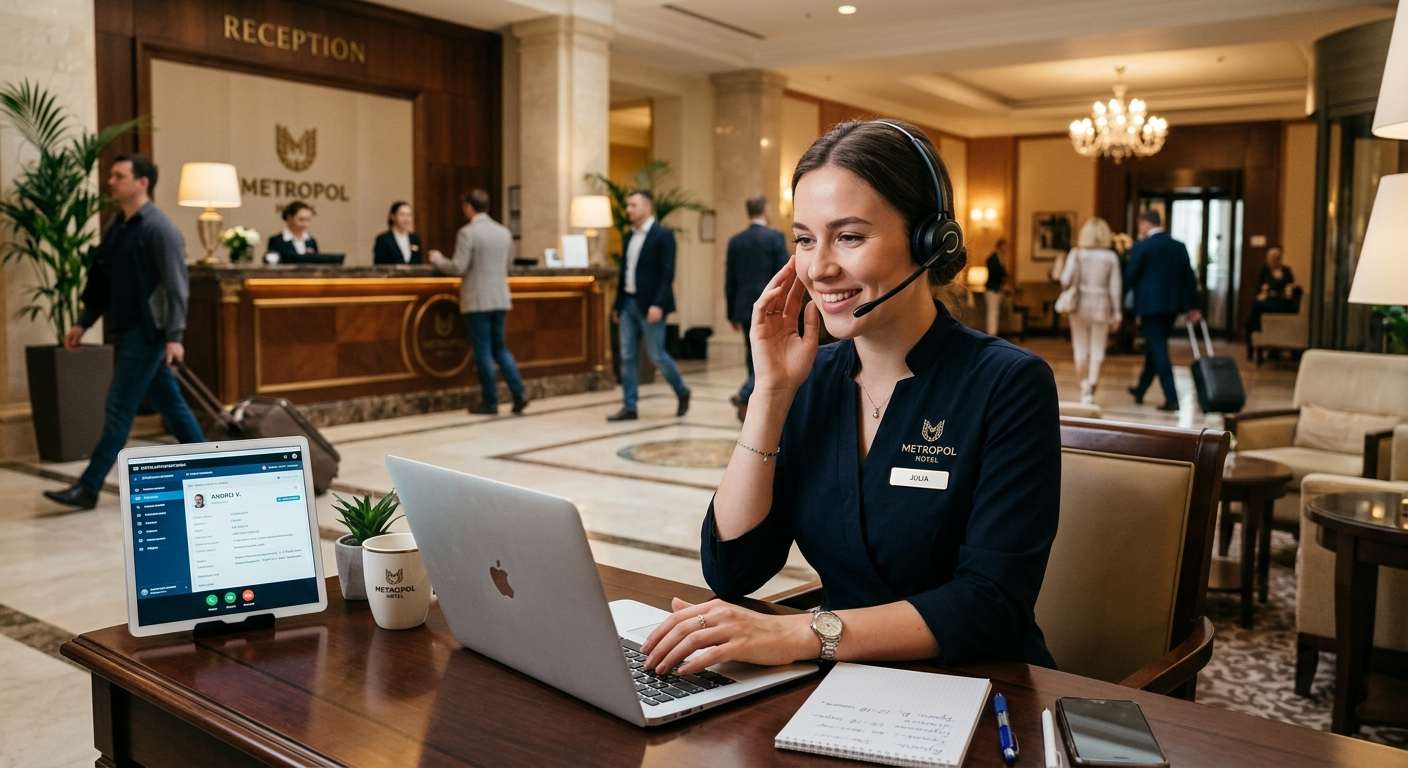
Newo.ai’s AI receptionist is built exactly for this. It answers inbound calls, books appointments, and sends confirmation and reminder messages on a schedule – 24 hours a day, seven days a week. It’s a practical, hands-off answer for how to stop no-show appointments without adding headcount or asking your team to manage more.
Beyond reminders, the system identifies high-risk bookings. If a client has a history of missing appointments, it can require a second confirmation or flag the slot for closer attention. When a cancellation comes in, it automatically contacts the next person on the waitlist and offers the slot – turning what would have been a revenue loss into a filled appointment. The staff handles the clients in front of them. The software protects the future schedule in the background.
This is the shift that separates businesses with consistently full calendars from those playing catch-up after every round of patient no-shows. Automation doesn’t just save time; it makes the whole system more resilient.
Track No-Shows to Keep Improving
You can’t reduce no-shows if you’re not measuring them. Logging every missed appointment creates visibility into patterns that are otherwise invisible, and those patterns are where the real fixes come from.
Maybe Friday afternoon slots have a consistently higher no-show rate. Maybe bookings made more than three weeks out are more likely to fall through. Maybe one type of service has a higher miss rate than others, suggesting anxiety or confusion about what the appointment entails. These are all fixable once you can see them.
Watching the rate drop after you implement a new policy or change your reminder sequence is what tells you whether the change actually worked. If you add a deposit requirement and see a meaningful improvement in a specific segment of clients, you know it’s working. If you adjust the timing of your 48-hour reminder and confirmation rates go up, keep it.
Share the data with your team. When they see the no-show rate falling, they understand that the system is working and why it matters. Celebrate the full weeks. Make it a visible goal, not just a background metric someone checks occasionally.
Try a free Newo.ai demo and see what automated booking, confirmation, and waitlist management looks like for your practice: three minutes, no credit card required.
The appointment no-show problem is solvable. It just requires the right combination of clear expectations, timely communication, and a system that handles the follow-through automatically, so your team can focus on the people who actually show up.