You can handle a surge of incoming calls without adding headcount. The answer is automated response tools and smart call routing – software that handles simple questions and books appointments instantly. At the same time, your existing team focuses on the work that actually needs a human.
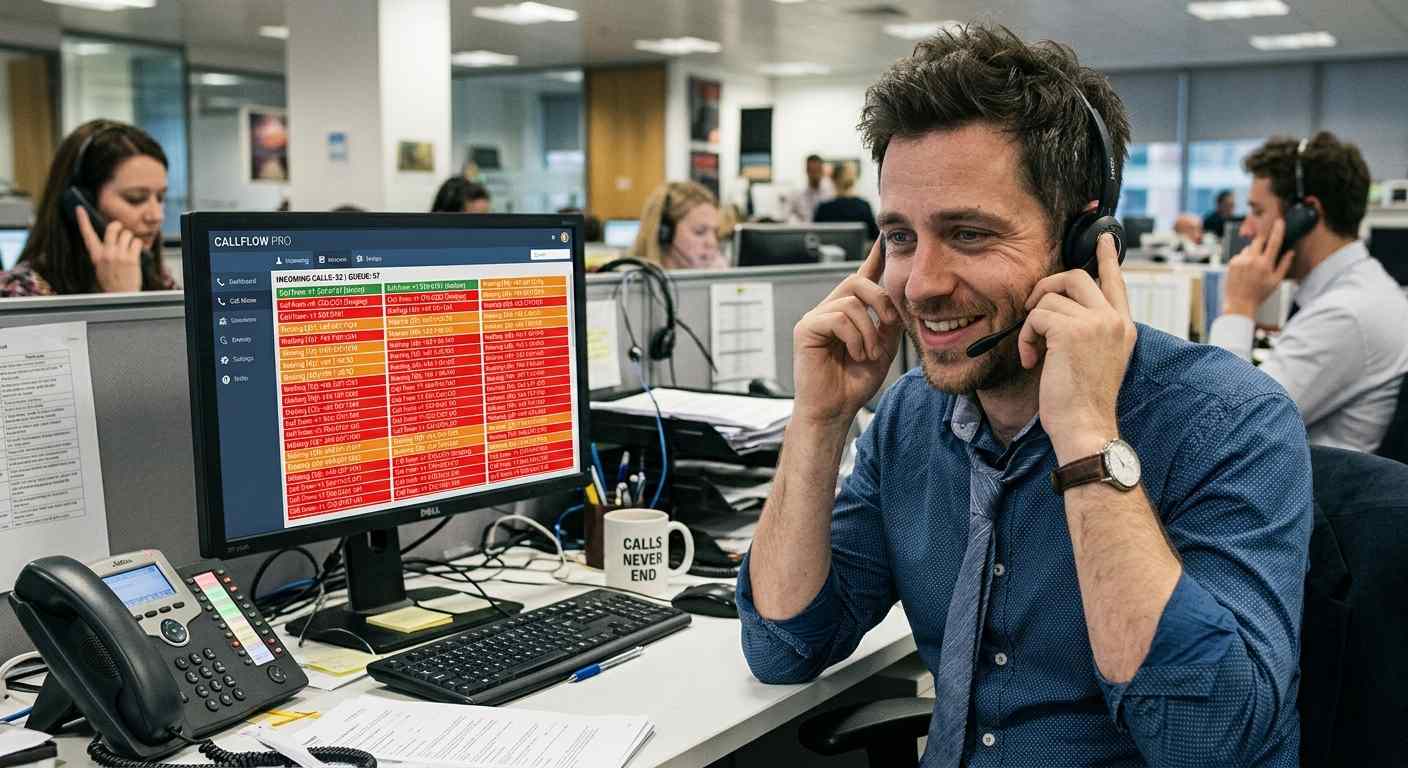
When a growing business starts getting a lot of inbound calls, that’s good news for about five minutes. Then it gets stressful fast. A rush of phone calls all day can disrupt your daily operations if you’re not set up for it. Seasonal spikes and busy stretches can flood your lines faster than any team can answer, and every missed call is revenue that just walked out the door.
If your first instinct is to hire someone, you’ll run into a different problem: overhead costs that don’t disappear when the busy season ends. This guide covers what high call volume actually means, when it becomes a real operational issue, and how to handle it without adding to payroll. The goal isn’t more staff. It’s catching every call even when demand suddenly doubles, keeping the business responsive without draining the budget on extra salaries.
What Counts as High Call Volume?
Every business has a different threshold. What is high call volume depends on your team size, your hours, and your industry. A small local moving company with one office manager might feel completely swamped if five people call within ten minutes. A large medical clinic with three receptionists might handle forty calls an hour without breaking a sweat.
A practical way to think about how many calls are considered high volume: it’s any point where incoming calls outpace the people available to answer them. If your team is constantly putting people on hold just to catch its breath, you’re there. You’ll usually see the symptoms before you see the numbers: staff rushing through conversations, mistakes on booking forms, customer details not getting logged because everyone’s too stressed to slow down.
Tracking your daily call volume reveals the peaks that are quietly costing you business. Most owners assume the day is evenly busy from morning to night. Phone logs almost always tell a different story. There’s usually a big wave right at 9 AM on Mondays, a secondary rush around lunch, and a quieter stretch in the late afternoon. When you know your specific patterns, you can prepare your systems to take over at exactly the right moments, instead of discovering the problem after it’s already cost you bookings.
The Hidden Cost of Missed and Abandoned Calls
When lines are jammed during a rush, the consequences show up directly in revenue. Every unanswered ring is a customer who picks up their phone, opens Google, and calls the next business on the list. People don’t wait around anymore, and they don’t need to; there are five alternatives within a few taps.
Long hold times and voicemail do more damage than most owners realize. Many businesses still rely on an old answering machine to handle overflow. But most modern callers won’t leave a message. They interpret voicemail as a sign that the business is too busy, understaffed, or just slow, and they move on. The assumption isn’t “I’ll try again later.” It’s “this place isn’t going to be easy to work with.”
The damage compounds over time. Think about what you spend on SEO, local ads, or any kind of lead generation just to get someone to pick up the phone and call. If a $20 lead goes to voicemail and never comes back, that’s not just a missed booking; it’s wasted ad spend on top of it. And if enough people have that experience, it starts showing up in reviews, which pushes future callers away before they’ve even dialed.
Why Hiring More Staff Isn’t the Fix
The instinct when call volume spikes is to post a job listing. But adding permanent headcount to handle a seasonal problem creates a different kind of pain. Seasonal demand doesn’t justify year-round salaries. If your busiest period runs for two months in summer, you’ll spend the other ten either overpaying someone to handle a low volume of calls or scrambling to re-hire next year after they moved on.
Training, turnover, and idle time during slow periods make extra headcount expensive and inflexible. Getting a new employee up to speed on your services, pricing, and internal software takes real time: weeks, usually. And then they might leave. Back to square one.
A traditional high-call-volume call center model scales slowly, exactly when you need capacity immediately. Humans can only handle one conversation at a time. They need lunch, they get sick, they leave at the end of the day. If twenty people call your business at the same time, you would need twenty people at desks to answer them all, which is not a realistic setup for most businesses operating at normal margins.
Smart Ways to Manage the Surge
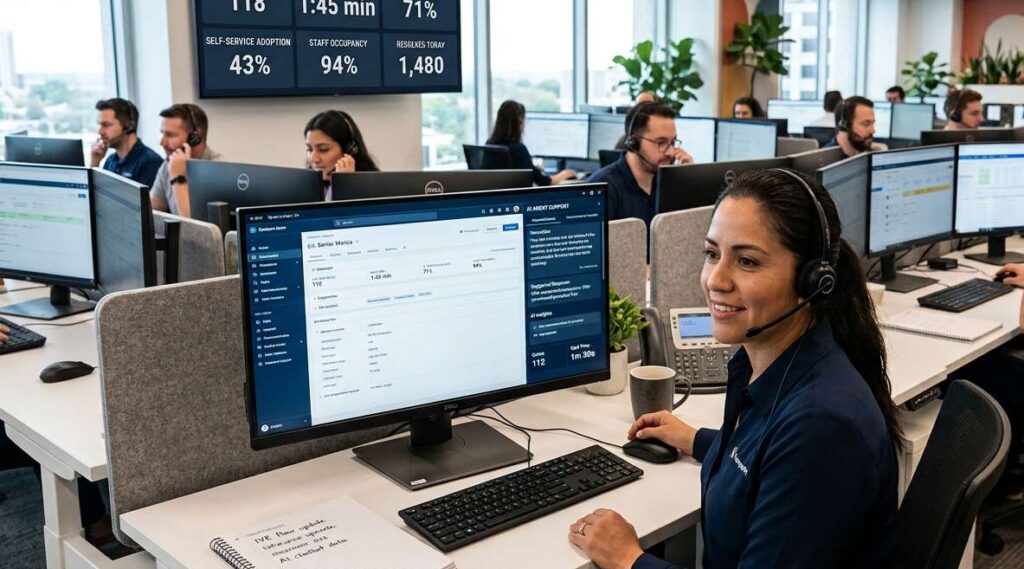
Instead of adding labor, smarter routing and self-service options can take real pressure off your lines without anyone noticing the difference on the caller’s end.
Triage works here. Sort incoming calls based on what the person actually needs. Is someone calling to check your hours or get your address? They don’t need your best customer service rep. An automated system can give them that information immediately and accurately, leaving your team free for calls that require real judgment.
A well-crafted, high-call-volume message buys time, but only if the caller gets a fast resolution afterward. A generic “we’re busy, please hold” message without any alternative is just frustrating. What actually works is giving people a real choice: press to receive a text with the information they need, request an automated callback, or stay on the line for a live rep. Most people will take the text or callback option, which immediately reduces pressure on your live lines.
The most resilient setups handle overflow automatically so that spikes never translate into missed business. Link your phone lines to an online calendar, a text-back service, or a booking tool. A lot of the routine work (scheduling, confirmations, basic FAQs) doesn’t need to go through a live voice line at all. That keeps your numbers open for the calls that actually need a person.
Answer Every Call Automatically, Even at Peak
This is where automation genuinely outperforms hiring. Newo.ai’s AI receptionist answers every call in under two seconds, handles high-volume calls without any degradation in quality, and can run hundreds of conversations simultaneously during a Monday morning spike, a holiday rush, or a seasonal surge that hits faster than anyone predicted.
Think of it as a team member who knows your business perfectly, never takes a day off, and can speak to an unlimited number of callers at the same time.
During a landscaping rush, a dental practice’s back-to-school surge, or an HVAC company’s first heat wave of the summer, Newo.ai absorbs the overflow your team can’t physically reach – 24/7, without a new hire. The AI collects the caller’s name, asks what they need, checks your live calendar, and books the job directly. If a caller has a genuinely complex question or an emergency, the system transfers them to a live team member with the relevant context already typed out. No one starts from scratch.
For businesses that have experienced the cost of high-volume calls going unanswered – bookings that fell through, ad spend that generated leads nobody picked up – this is the fix that doesn’t add payroll.
Plan for Your Next Busy Season
The best time to fix your communication setup is before the next rush arrives, not during it. Use last year’s call data to map out when volume peaks and set your systems up before that date comes around.
If your phone logs show that every July is chaos and every December slows down, you already know what’s coming. Set automated coverage for those windows: nights, weekends, peak hours, so your capacity scales the moment demand does. You don’t want to be scrambling to onboard a new hire in week two of your busiest period.
Newo.ai connects directly to your existing calendar and business software: no complicated setup, no IT project. Most businesses are running within a few minutes of connecting their website. From that point, the system handles overflow automatically, adjusts to call patterns in real time, and gives your team breathing room to focus on the customers already in front of them.
The businesses that handle seasonal rushes well aren’t the ones with the biggest teams – they’re the ones that never let a ringing phone go unanswered. Smart automation keeps operating costs low and customer experience consistent, whether it’s a quiet Tuesday or the busiest day of the year.
Your current staff stays calmer because they’re not buried. Your customers get fast, useful responses every time they call. And you’re not carrying extra payroll through the slow months to prepare for the fast ones.
Try a free Newo.ai demo – three minutes to set up, no credit card required. Hear what it sounds like when every call gets answered on the first ring, even at peak.