You can improve the patient experience with three focused changes: faster phone access, a calmer in-visit environment, and clear follow-up communication. Most of the best improvements cost very little; they just require intentional attention to how patients feel at each stage of their interaction with your clinic.
Patients care deeply about how they’re treated, often as much as the clinical outcome itself. A clinician can deliver excellent care and still lose a patient’s trust because the front desk was rushed, the wait time wasn’t communicated, or nobody followed up afterward. Getting the clinical part right is the baseline. Building a reputation that brings people back and gets them to recommend you requires getting the rest right, too.
Why Experience Matters as Much as Outcomes
A successful medical outcome is the goal, but long waits, unclear communication, and an unfriendly front desk can undermine even the best clinical care in a patient’s mind. Reviews, referrals, and retention are all shaped more by how patients felt during the visit than by what happened medically.
People want to feel that their time is respected. They want someone to say sorry when there’s a delay, explain what’s happening, and help them understand their bill. These things don’t require more resources; they require a culture where improving patient experience is treated as part of the job, not an afterthought.
Fix the First Touchpoint: Access and Scheduling
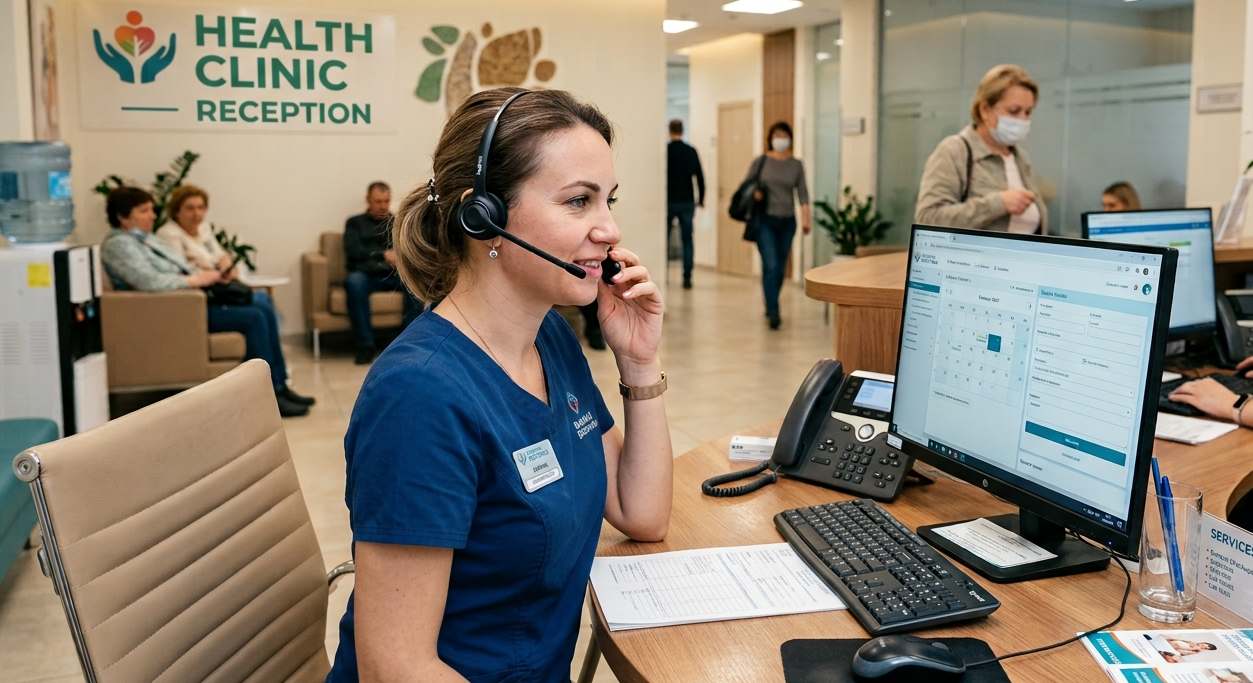
The patient experience starts before anyone walks through the door; it starts on the phone. Missed calls, long hold times, and the inability to book outside business hours all create friction at the exact moment someone is motivated to seek care.
A parent with a sick child at 9 PM doesn’t want to wait until Monday morning to book an appointment. A patient trying to reschedule between meetings doesn’t want to spend ten minutes on hold. The clinic that’s easiest to reach at those moments earns the booking.
Newo.ai’s AI receptionist answers every call immediately, handles bookings around the clock, and frees your front desk team to focus on the patients standing in front of them. No one waits on hold. No call goes to voicemail at an inconvenient time. The front desk workflow gets calmer because the phones aren’t constantly interrupting it.
Alongside this, a visible online booking option on your website removes another barrier. Make it easy to find and easy to use – one or two clicks to get to an open slot.
In-Visit Improvements That Patients Notice
Short wait times matter, but when delays are unavoidable, communication matters more. Tell patients when the doctor is running behind before they have to ask. A brief heads-up – “the doctor is about 15 minutes late, here’s what to expect” – changes a frustrating experience into a manageable one.
From the moment someone walks in, small signals matter: a genuine greeting, using their name, telling them what comes next. These are low-cost patient experience ideas that add up quickly to a positive overall impression.
Inside the exam room, sit down when you talk to patients. Make eye contact instead of focusing on the screen. Let them finish before responding. Use plain language rather than clinical shorthand. Even a five-minute appointment can feel thorough and caring if the attention is genuine.
A few habits worth building into every visit: greet patients by name at check-in, be upfront about timing if there’s a delay, and ask at the end whether they have any remaining questions. The last question especially catches things that would otherwise turn into a phone call the next day.
Communication and Follow-Up After the Appointment
The visit doesn’t end when the patient leaves. A brief follow-up two days later, asking whether the medication seems to be working, whether they have any questions, signals that the relationship continues beyond the appointment.
How to improve patient experience after the visit is often simpler than practices expect. Automated text reminders for upcoming appointments, a summary email after the visit with their care plan in plain language, a check-in message at the right interval – these all reduce the chance of a patient feeling lost or forgotten between appointments.
Most patients leave a clinic remembering the feeling more than the specifics. A clear follow-up email with their next steps gives them something concrete to refer back to, which reduces anxiety and improves adherence. It also significantly reduces the “quick question” phone calls that come in when patients can’t remember what they were told.
These touchpoints don’t require significant staff time when they’re automated correctly. The goal is to improve the patient experience consistently for every patient, not just those whose providers happen to remember to follow up.
Turning These Ideas Into a Repeatable System
The difference between a good week and a consistently good clinic is documentation. Write down the standards for how calls are answered, how patients are greeted, how delays are communicated, and how follow-ups are sent. This ensures every patient gets the same level of care regardless of which staff member they interact with.
Steps to improve patient satisfaction become permanent when they’re embedded in how the team operates, not dependent on individual effort or memory. Train new hires on these standards from day one. Review your online feedback monthly; if the same criticism appears more than twice, it’s a system problem worth solving.
Build in a short monthly check-in with your team: what’s working, what’s creating friction, what one thing could be better. This keeps improving patient experience a living priority rather than something that gets attention only when a bad review appears.
Practical habits that sustain the improvement:
- Recognize staff when a patient leaves a positive review that mentions them by name.
- Fix recurring process issues before they generate more negative feedback.
- Keep the standards visible and revisit them regularly rather than treating them as a one-time initiative.
Try a free Newo.ai demo to see how automated call handling and booking change the first touchpoint for your patients: three minutes to set up, no credit card needed. When the phones work smoothly, every other part of the visit starts on a better footing.