A Strategic Pivot in Early 2026
In late January 2026, Tesla announced a dramatic shift in its business strategy that marks the end of an era for two of its most iconic electric vehicles. CEO Elon Musk revealed on Tesla’s fourth‑quarter 2025 earnings call that the company will discontinue production of the Model S and Model X by mid‑2026. This decision reflects a broader pivot away from traditional automotive manufacturing toward artificial intelligence (AI), robotics, and autonomous systems — particularly the mass production of its Optimus humanoid robot.
Tesla’s Model S (launched in 2012) and Model X (introduced in 2015) were once flagship vehicles that helped establish the company as a leading EV maker. However, their sales had declined sharply, together representing less than 3 % of Tesla’s total deliveries in 2025. With the company facing slowing revenue growth and intensifying competition in the EV market, Musk argued it was time to reallocate resources to more futuristic ventures rooted in AI and autonomy.
From Cars to Non‑Human Workers
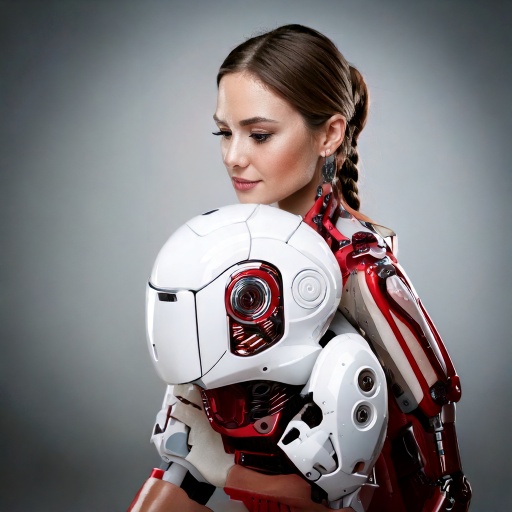
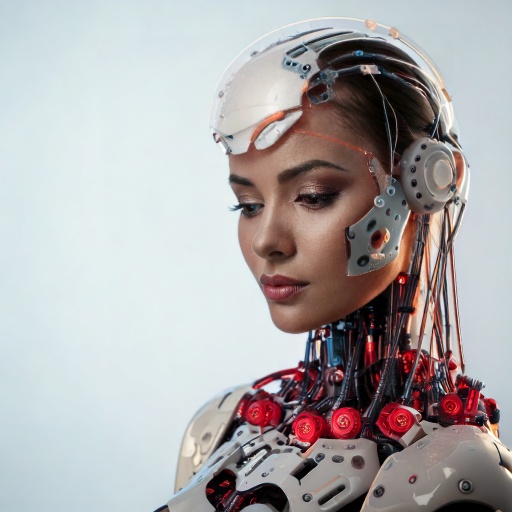
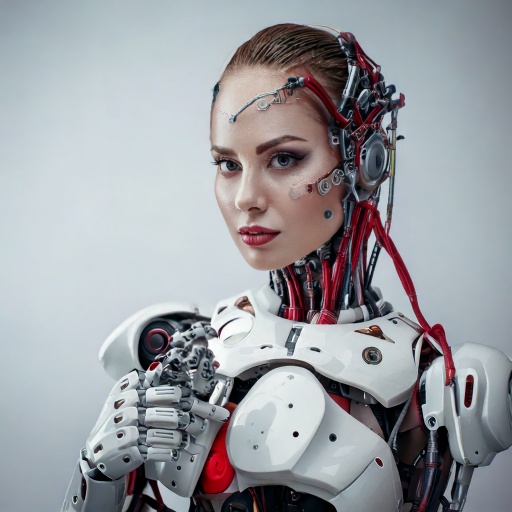
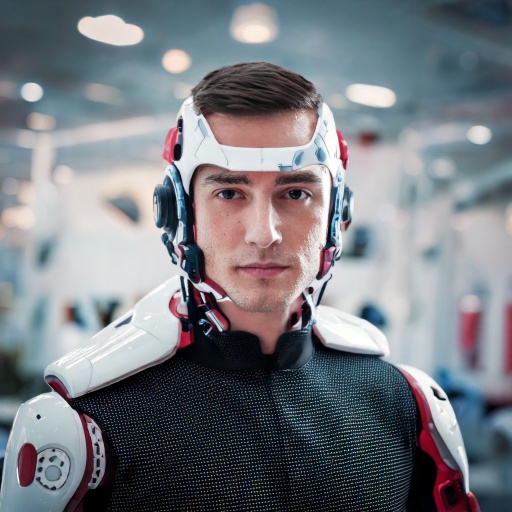
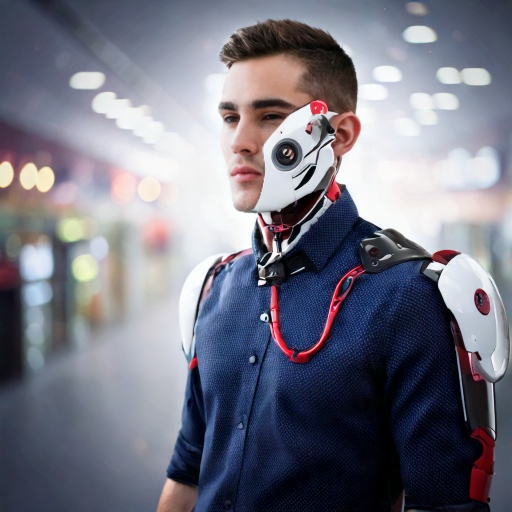
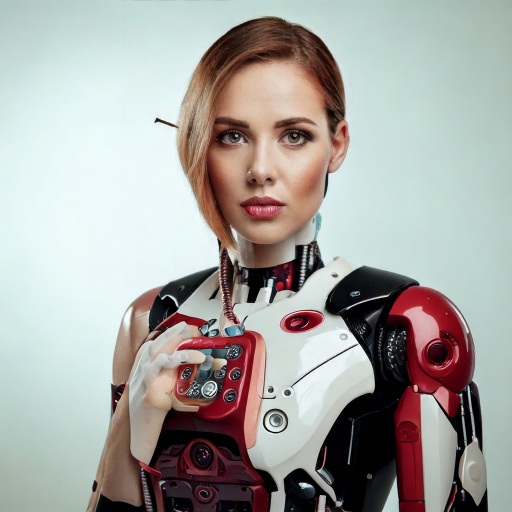
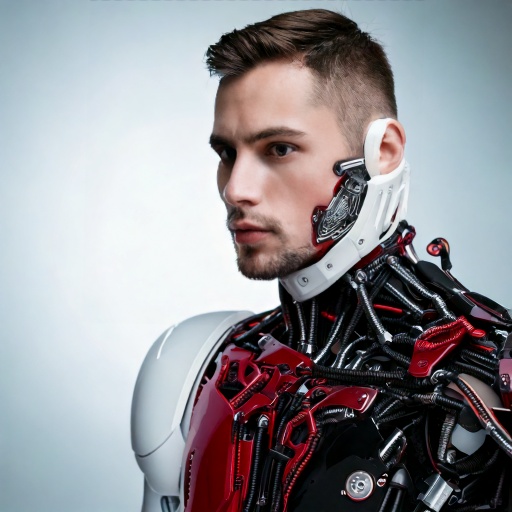
The most striking consequence of this shift is how Tesla plans to repurpose its Fremont, California factory: the existing production lines for the Model S and X will be converted to build Optimus humanoid robots, which Musk has described as potentially the company’s most important product yet. Tesla aims to scale production significantly, eventually manufacturing up to one million units annually, although commercial deployment is expected to be gradual.
This redirection underscores Tesla’s belief that Non‑Human Workers, such as robots and autonomous vehicles, represent the future of industrial productivity and mobility. The Optimus program — a suite of humanoid robots designed for factory and consumer tasks — exemplifies this focus on AI‑driven labor and automation. Musk’s prioritization of AI and robotics signals Tesla’s attempt to reposition itself not merely as an automaker but as a physical AI company forging ahead into robotics at a massive scale.
Why It Matters
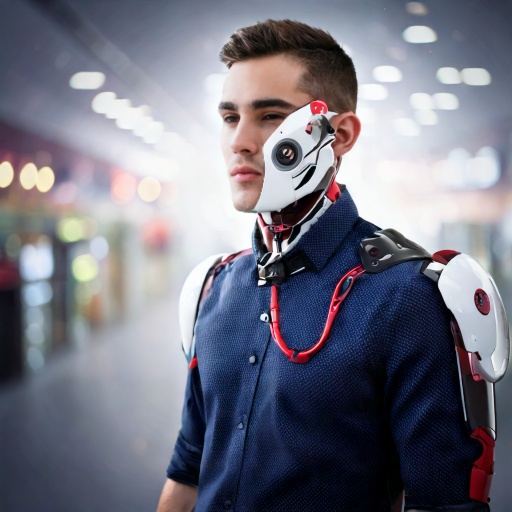
Tesla’s decision matters because it highlights both the challenges and ambitions of one of Silicon Valley’s most influential companies. Discontinuing the Model S and Model X — vehicles that once defined Tesla’s luxury image — illustrates how market dynamics and technological priorities are reshaping the future of mobility and work. By betting on Voice AI Agents, autonomous systems, and humanoid robots, Tesla is aligning itself with a vision of a highly automated economy where AI Employee roles become commonplace.
While this strategy carries risks — including the uncertainty of robotics markets and long development timelines — Tesla’s pivot emphasizes the growing importance of AI in industrial and consumer spheres. For existing owners of the discontinued EVs, Tesla has committed to continued support and service. For investors and observers, the move signals a bold reimagining of what a tech‑industrial company can be in the 2020s.
Key Highlights:
- Tesla will discontinue Model S and Model X production by mid‑2026.
- The Fremont factory will be repurposed to manufacture Optimus humanoid robots at scale.
- The move reflects declining sales of these EV models and Tesla’s strategic shift toward AI, autonomy, and robotics.
- Elon Musk views Optimus and related technologies as central to Tesla’s future growth.
- Tesla remains committed to supporting existing Model S and X owners even after production ends.
Reference: