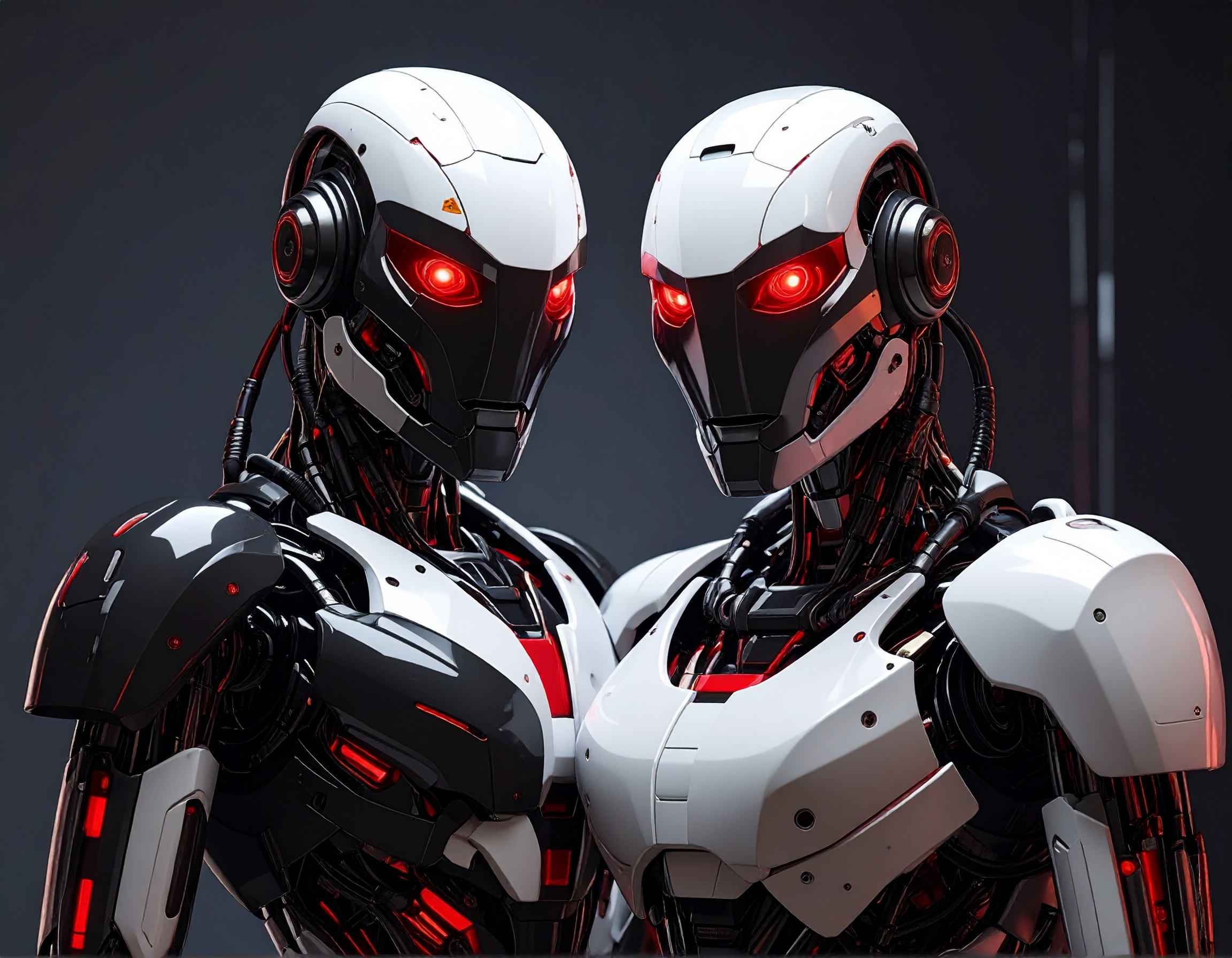
Humanoid Robots with AI Brains Poised for Impact
On December 26, 2025, the tech community buzzed with analysis of humanoid robots as a foundational technology for the next wave of AI innovation. According to an in‑depth 36Kr article, humanoid robots combine a human‑like physical form with advanced AI “brains” capable of perception, continuous learning, and decision‑making, potentially transforming how humans interact with machines and how production tasks are executed in the real world. This trend is not just theoretical — industry giants like Tesla are accelerating Optimus robot development, with plans for prototype showcases in early 2026 and eventual mass production that could reach millions of units annually if critical cost and hardware hurdles are overcome.
Hardware Challenges and Industry Structure
Despite the promise, the article emphasizes that hardware remains a major constraint on deploying AI‑driven humanoid robots. The production chain includes upstream suppliers of sensors, actuators, and computing systems; mid‑stream robot manufacturers; and downstream users in specialized sectors like research and education. Key technical bottlenecks involve tactile sensors (which act like electronic skin) and six‑axis force sensors (critical for movement control), both of which require breakthroughs in accuracy, consistency, and manufacturing scale to support broader adoption.
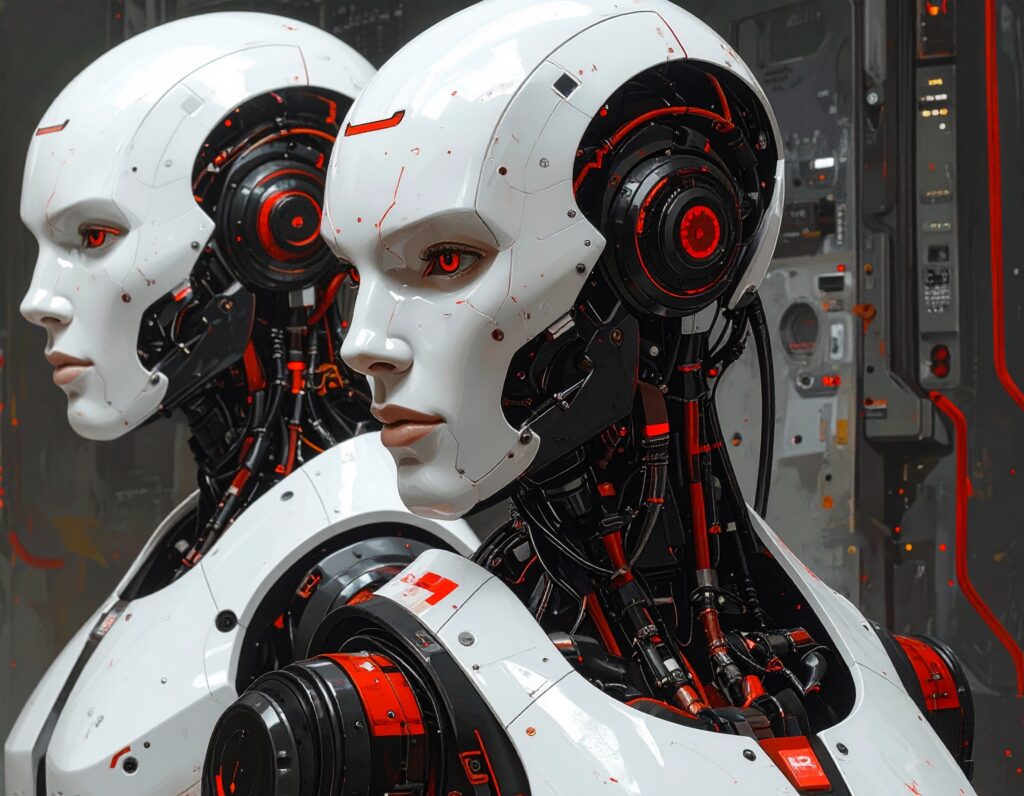
Why It Matters: AI Employees and Non‑Human Workers
This push toward AI‑powered machines reflects a broader industry shift where AI Employees and non‑human workers like Voice AI Agents and robot platforms are moving beyond labs into actual deployment scenarios. Humanoid robots represent a physical embodiment of this trend — envisioned not merely as automation tools but as autonomous agents capable of performing diverse tasks that today require human labor. These developments suggest a future where intelligent agents and non‑human workers augment or replace parts of the human workforce, reshaping industries and productivity landscapes.
Broader Implications and the Tech Horizon
The discussion around humanoid robots ties into larger debates over the future of work, AI automation, and the digital workforce. As AI technologies progress — from simple generative tools to capable Voice AI Agents and robotic platforms — organizations and economies are preparing for a world where “digital employees” steadily handle complex, repetitive, or physically demanding duties. The evolution of these systems during 2025 — from software agents to embodied robotics — highlights this year as a turning point in how AI intersects with daily life and industrial productivity.
Key Highlights:
- Humanoid robots are emerging as the next frontier for AI, combining physical bodies with decision‑making “brains.”
- Tesla’s Optimus robot is slated for prototype reveals in early 2026 and future mass production.
- Hardware limitations, especially tactile and force sensors, are central bottlenecks to scaling.
- The trend reflects a shift toward AI Employees, Voice AI Agents, and non‑human workers in real operational roles.
- These developments are part of a broader transformation of work, production, and human‑machine collaboration.
Reference: