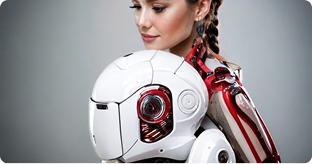
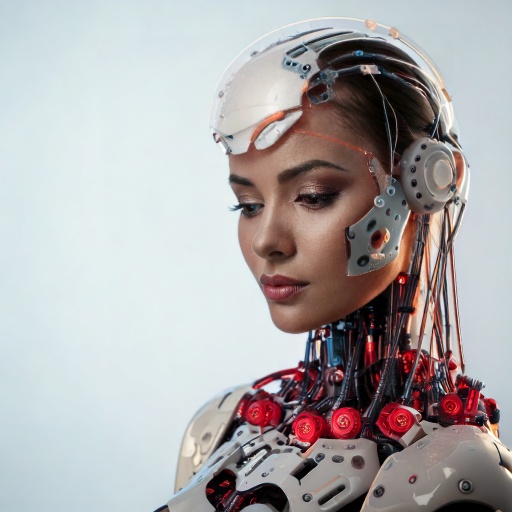
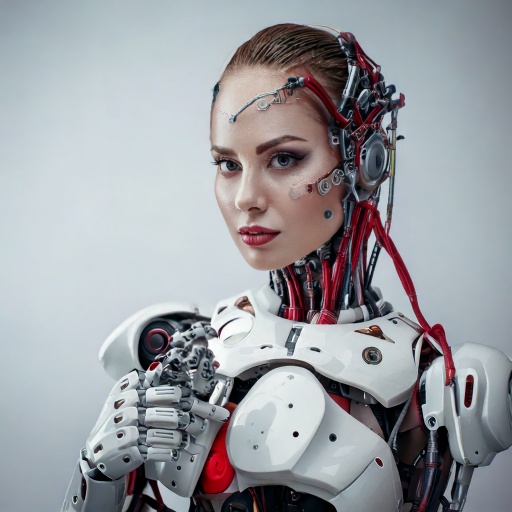
The spotlight is on the rise of Intelligent Agents, commonly known as Digital Employees, and their transformative impact on various industries. This shift, happening right now, signals a pivotal moment in the evolution of the workplace, where artificial intelligence seamlessly integrates into daily operations, altering the nature of tasks and roles.
Here’s a concise breakdown of the key insights from the article:
- Intelligent Agents Everywhere: The article underscores the widespread integration of Intelligent Agents across diverse sectors. From automating routine processes to handling intricate decision-making, Digital Employees showcase their versatility in revolutionizing traditional workflows.
- Efficiency Overdrive: A notable highlight is the unparalleled efficiency and speed brought by Digital Employees. With the ability to tirelessly perform tasks without fatigue or error, organizations experience a surge in productivity, enabling them to tackle complex challenges more effectively.
- Human-Digital Symbiosis: Contrary to concerns of job displacement, the article emphasizes a collaborative approach. Humans and Digital Employees are portrayed as partners in a symbiotic relationship, each complementing the strengths of the other. This dynamic cooperation aims to redefine how tasks are approached and executed.
- Adaptation and Upskilling: The article stresses the need for the workforce to adapt and acquire new skills. As Intelligent Agents become commonplace, there is a call for upskilling initiatives to ensure that employees can effectively collaborate with and manage these digital counterparts.
This shift, unfolding in real-time, holds profound implications for the future of work. The article prompts a reflection on the evolving nature of employment, urging organizations to embrace change and invest in the development of a workforce equipped to thrive in a digitally augmented environment. As the integration of Intelligent Agents becomes more prevalent, it prompts a broader conversation about the balance between technological advancement and the preservation of a human-centric approach to work.
In summary, the article on the rise of Digital Employees encapsulates a momentous juncture where technology reshapes the workforce. The collaboration between humans and Intelligent Agents is not just a trend but a transformative force, paving the way for a future where innovation and efficiency harmonize in unprecedented ways.
Key Highlights:
- Integration Across Industries: Intelligent Agents, or Digital Employees, are being integrated into various industries, showcasing their adaptability in automating tasks and decision-making processes.
- Efficiency Boost: Digital Employees bring unparalleled efficiency to organizations, performing tasks tirelessly and accurately, leading to increased productivity and cost-effectiveness.
- Collaborative Approach: Rather than job displacement, the article emphasizes a collaborative approach where humans and Digital Employees work symbiotically, leveraging each other’s strengths.
- Adaptation and Upskilling: The evolving workforce requires adaptation and upskilling to effectively collaborate with Digital Employees, signaling a shift in the skills needed for the modern workplace.
- Societal Transformation: The integration of Intelligent Agents prompts a broader conversation about the future of work, striking a balance between technological advancement and maintaining a human-centric approach.
- Real-time Workplace Evolution: This is not a theoretical concept but a real-time evolution in the workplace, challenging organizations to embrace change and invest in workforce development.
- Transformation of Job Roles: Digital Employees are redefining traditional job roles, prompting a reflection on how tasks are approached and executed in the digitally augmented environment.
- Balancing Innovation and Human-Centric Values: As organizations integrate Intelligent Agents, the key challenge lies in balancing technological innovation with the preservation of human-centric values in the workplace.
Reference: