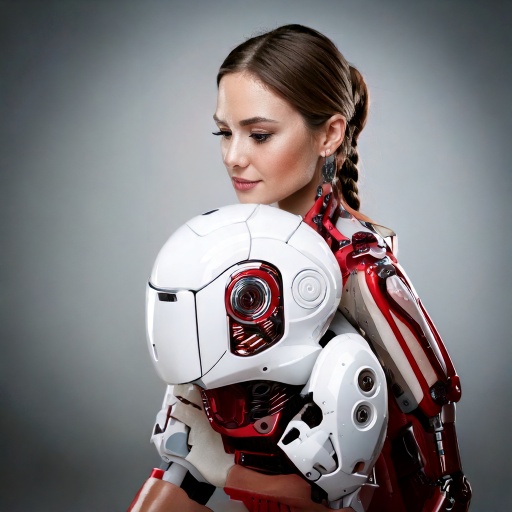
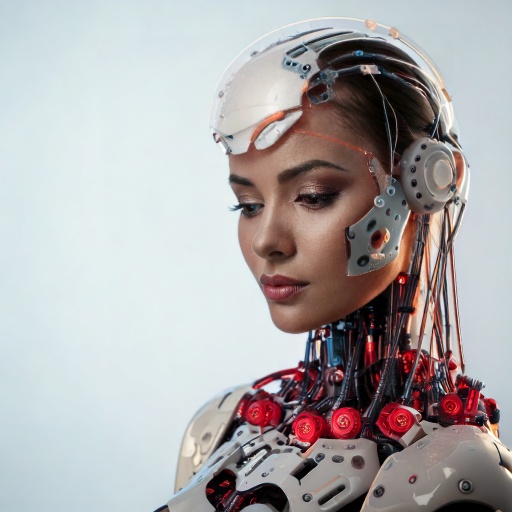
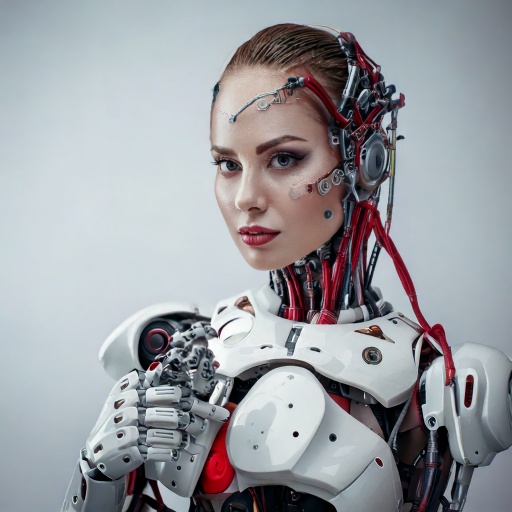
As we navigate the landscape of elderly care, the presence of intelligent agents like Pepper, the humanoid robot designed for emotional interaction, sparks both hope and uncertainty. Introduced in 2014 with grand visions of revolutionizing caregiving, Pepper’s journey from the lab to real-world care settings has encountered significant hurdles, leaving its future uncertain. Despite initial optimism and substantial investments, Pepper’s impact remains limited.
Challenges Hindering Adoption
The roadblocks facing Pepper and similar digital employees in eldercare are multifaceted. High initial costs coupled with the need for specialized training present significant barriers for care facilities. Moreover, the current limitations in the abilities of social robots raise concerns about their efficacy in providing comprehensive care compared to human caregivers. Questions about the psychological impact on the elderly and ethical dilemmas surrounding human-robot interaction further complicate matters.
Market Projections and Technological Advancements
Amidst these challenges, market forecasts paint a picture of potential growth in the social robotics sector. With an aging population and advancements in artificial intelligence, there’s optimism that robots could alleviate caregiver strain and provide companionship. As technology continues to evolve, future iterations of social robots are expected to possess advanced communication skills and better understand human emotions, potentially transforming the landscape of elderly care.
Navigating the Future
While the journey of social robots in eldercare hasn’t fulfilled its initial promises, it’s a narrative of technological evolution intersecting with practical realities. As we tread cautiously forward, organizations like the International Federation of Robotics offer valuable insights into market trends, while the Stanford Center on Longevity delves into ethical considerations and the future direction of robotic caregiving. The road ahead may be uncertain, but with each technological stride, we edge closer to a future where intelligent agents could redefine how we care for our aging population.
Key Highlights:
- Pepper, the humanoid robot designed for emotional interaction in elderly care, has faced challenges in achieving widespread adoption despite early enthusiasm and significant investment.
- Practical reasons such as high costs, the need for specialized training, and the current limitations of social robots like Pepper hinder their integration into care settings.
- Reports suggest that very few care homes actively use humanoid robots, indicating a gap between expectations and real-world implementation.
- Market projections indicate potential growth in the social robotics industry due to an aging population and advancements in technology.
- Technological advancements are expected to improve the capabilities of social robots, making them more adept at understanding human emotions and providing comprehensive care.
- Organizations such as the International Federation of Robotics and the Stanford Center on Longevity offer valuable insights into market trends, ethical considerations, and the future direction of robotic caregiving.
Reference:
https://ytech.news/en/pepper-the-social-robots-uncertain-future-in-elderly-care/