A Breakthrough in Non-Human Workers’ Intelligence
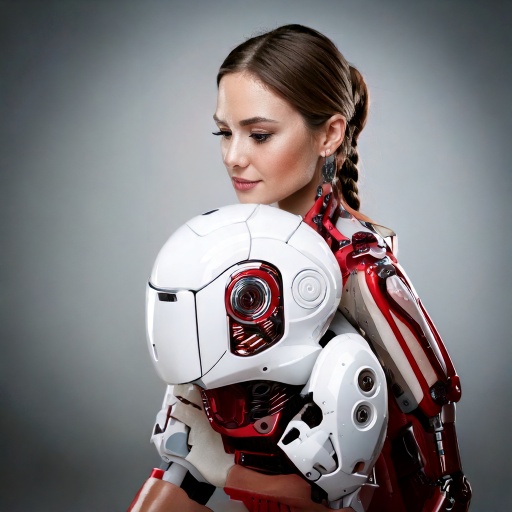
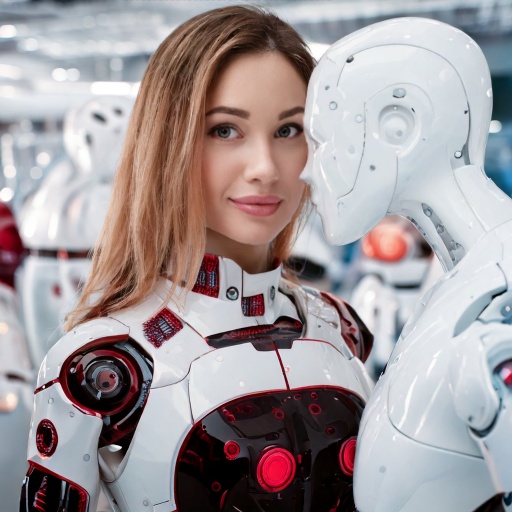
On January 28, 2026, Robbyant — an embodied AI unit within China’s Ant Group — announced the open-source release of LingBot-VLA, a vision-language-action (VLA) model intended to act as a universal brain for physical robots. This model aims to greatly improve how robots learn and operate in real-world settings by reducing costly post-training work and promoting scalable deployment across different machines.
What Happened: Release and Performance Highlights
LingBot-VLA was publicly released with full code, model weights, and deployment tools, allowing developers worldwide to adapt it to their own robots. In benchmarks:
- On the GM-100 real-robot tests, spanning 100 practical tasks across multiple platforms, LingBot-VLA outperformed existing models, especially when depth cues were used — improving spatial perception and setting a new task success record.
- In the RoboTwin 2.0 simulation suite, which throws lighting changes, clutter, and other randomness at the system, LingBot-VLA’s internal mechanisms enabled it to better integrate depth information and achieve higher success than other systems.
This open sourcing is significant because it removes common barriers in robotics: Historically, deploying “non-human workers” like industrial robots required bespoke data collection and fine-tuning for each new machine or task, driving up costs and slowing progress. LingBot-VLA’s generalization across robot types — from single to dual arms and even humanoid forms — could save time and effort for robotics teams internationally.
Why It Matters: Towards Scalable AI and Voice AI Agents in Robots
The move signals a shift in how embodied AI — AI embedded in real machines — is developed and shared. By providing a full production-ready toolchain (not just research code), Robbyant hopes to accelerate real-world deployments of AI Employees; these could handle tasks from elder care to warehouse work without needing deep retraining each time.
Furthermore, pairing LingBot-VLA with companion systems like LingBot-Depth (released a day earlier) enhances spatial reasoning — paving the way for robots that see and act more intelligently. This collaborative ecosystem of models could eventually support Voice AI Agents that interact naturally with humans and physical environments alike.
Key Highlights:
- Robbyant open-sourced LingBot-VLA on Jan 28, 2026, positioning it as a universal AI brain for robotics.
- The model excels in real-world and simulation tasks, showing stronger cross-robot performance and setting new benchmarks.
- It supports rapid adaptation across robot types, reducing costs and effort for developers.
- Included is a full, production-ready codebase, speeding commercial deployment.
- This release is a step toward scalable AI Employees and smarter embodied systems with voice and perception capabilities.
Reference: