Japan’s Robotics Market Takes Off Amid Demographic Crisis and Technological Leadership
Japan’s robotics market is on the cusp of explosive growth between 2025 and 2033 as the country grapples with one of the world’s most rapidly aging populations and shrinking workforce. According to a recent market forecast, the total robotics market in Japan — from industrial automation to service robots — is expected to skyrocket from roughly US $2.6 billion in 2024 to more than US $17 billion by 2033, growing at an impressive compound annual growth rate (CAGR) of about 23.33 %. This surge reflects not only Japan’s traditional strength in factory robotics, but also increasing demand for AI Employees and Voice AI Agents in healthcare, logistics, eldercare, and service industries.
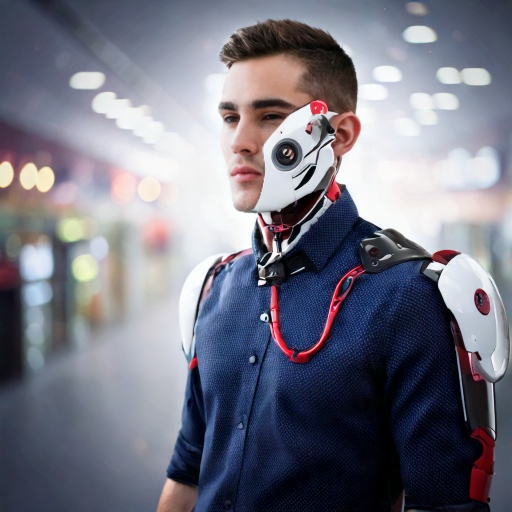
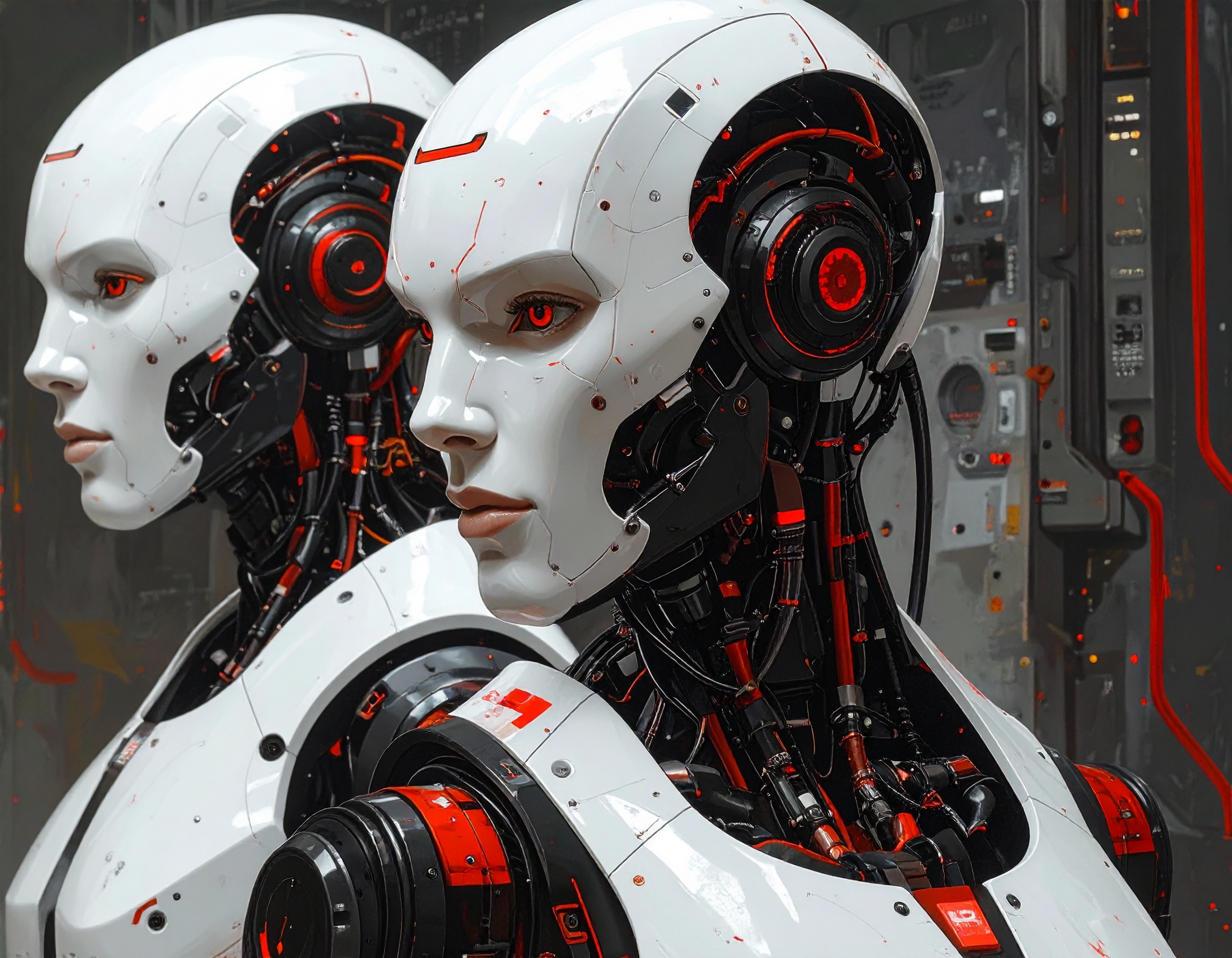
At the heart of this transformation are Non‑Human Workers — robots that range from heavy industrial arms to collaborative robots (“cobots”) that can safely work alongside humans, and even service robots assisting in real‑world environments like hospitals and hotels. Japan’s deep ecosystem of robotics manufacturers — including Fanuc, Yaskawa, Panasonic, and Kawasaki — is leveraging decades of engineering excellence to innovate in both hardware and artificial intelligence (AI) software. Such robots are increasingly equipped with AI and machine learning to make adaptive decisions, navigate autonomously, and interact with people — a shift that is reshaping how work gets done across sectors.
Why This Growth Matters: Demographics, Labor Shortages, and Society 5.0
The drivers of this robotics revolution are fundamentally linked to Japan’s demographic realities. With nearly 30 % of the population aged 65 and older and a tight labor market, robots have become essential rather than optional tools. In sectors like eldercare, healthcare, logistics, and hospitality, robots assist with everything from routine cleaning and delivery tasks to patient monitoring and elder support — helping offset chronic workforce shortages and improve quality of life. AI‑driven platforms, advanced sensors, and voice‑enabled interfaces (Voice AI Agents) are increasingly common features that allow robots to operate in close proximity to humans.
Beyond aging care, industrial applications remain a bedrock of Japan’s robotics market, where precision, consistency, and automation are crucial for global competitiveness. Collaborative robots — designed to operate safely beside human workers — have emerged as one of the most transformative segments. These machines help automate repetitive or hazardous tasks while boosting overall productivity and safety. For example, in 2024, major robotics company Yaskawa launched new developer tools to simplify robot programming and accelerate deployment across industries.

Challenges and the Future: Costs, Regulation, and Social Integration
Despite strong momentum, significant hurdles remain. High development and production costs for advanced robots — especially AI‑enabled or humanoid models — limit adoption in budget‑sensitive sectors. Regulatory complexity, especially in public, healthcare, and autonomous environments, can slow down deployment and add compliance challenges. Japan’s policymakers and industry leaders are pushing to streamline safety standards and adapt frameworks that support faster commercialization.
Looking ahead, Japan’s robotics market is not merely a story of machines replacing humans — it’s about a fundamental rethinking of how work and care are organized in an aging society. With AI Employees, Non‑Human Workers, and Voice AI Agents becoming more capable and widespread, Japan is helping shape a future where technology augments human work, addresses labor gaps, and builds new forms of economic resilience that other countries may soon follow.
Key Highlights:
- Market Growth: Japan’s robotics market is forecast to grow from ~US $2.6 B in 2024 to ~US $17 B by 2033, at a CAGR of ~23 %.
- Drivers: Aging population, labor shortages, government initiatives (e.g., Society 5.0), and innovation in AI/ML.
- Robotics Types: Industrial robots, collaborative cobots, service robots, healthcare assistants.
- Technology Trends: Integration of AI, machine learning, and Voice AI Agents into robotic systems.
- Challenges: High costs, regulatory compliance, and public acceptance remain key barriers.
Reference:
https://vocal.media/theSwamp/japan-robotics-market-size-and-forecast-2025-2033-5cpn90yjd