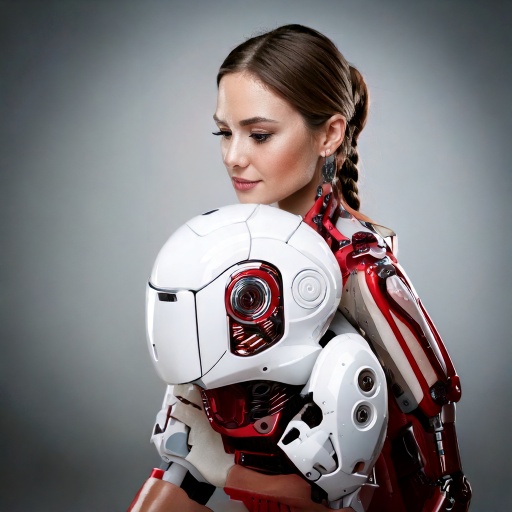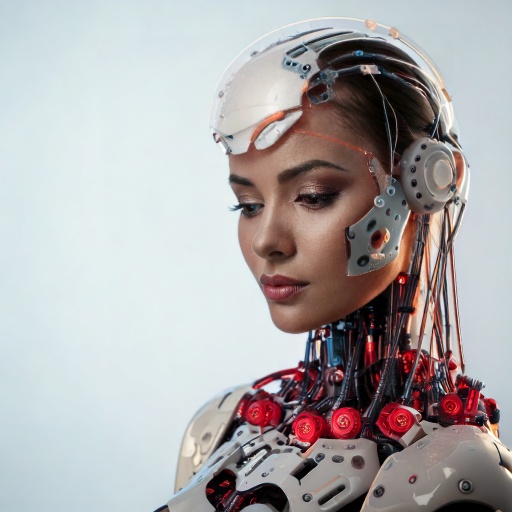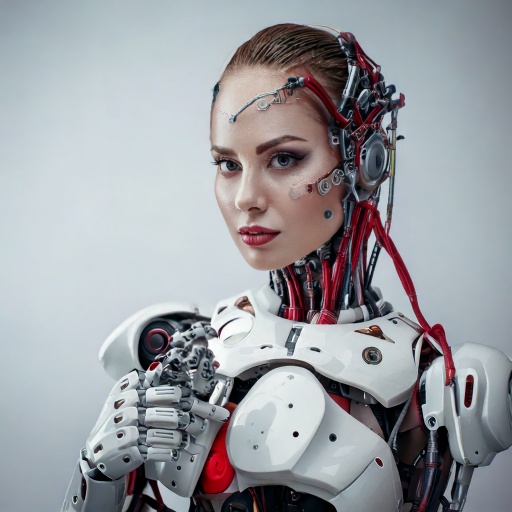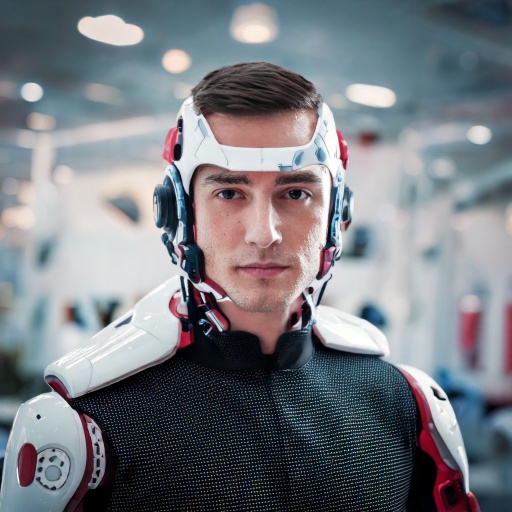
Japan’s Automotive Transformation with AI Employees
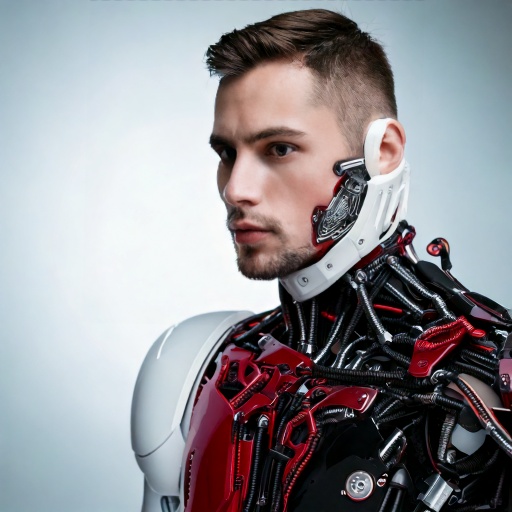
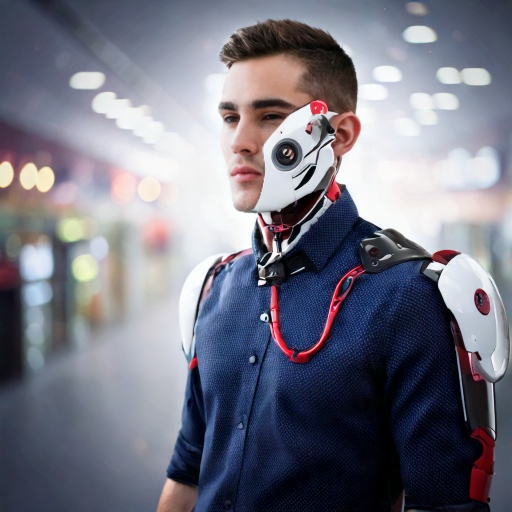
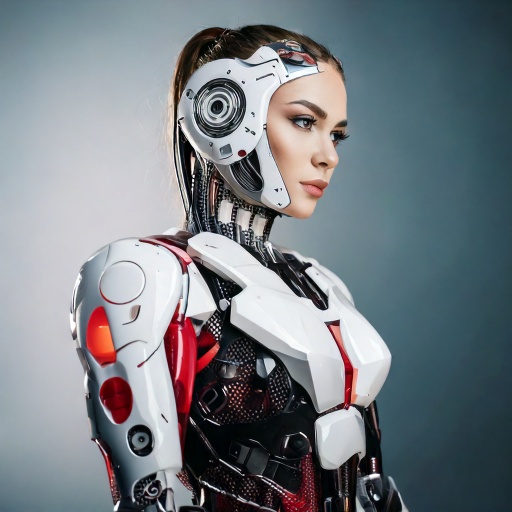
On July 14, 2025, the International Federation of Robotics (IFR) revealed that Japan’s automotive sector installed around 13,000 industrial robots in 2024, marking an 11% increase over the prior year and the highest annual figure since 2020 . These “AI Employees” or Non‑Human Workers are rapidly reshaping production lines, demonstrating the country’s continued dominance in robotics.
Why It Matters: Efficiency Meets Electrification
Japan now accounts for 38% of global robot production, underlining its position as the world’s leading robot manufacturer. In 2023, its automotive sector achieved a robot density of 1,531 robots per 10,000 employees, placing fourth globally—surpassing Germany and the US, and trailing only Slovenia, South Korea, and Switzerland . This surge is driven by automakers pivoting to battery-electric, fuel-cell, and hydrogen combustion vehicles, necessitating advanced manufacturing tech and more Voice AI Agents for streamlined operations.
Sector Snapshot: Robotics Across Industries
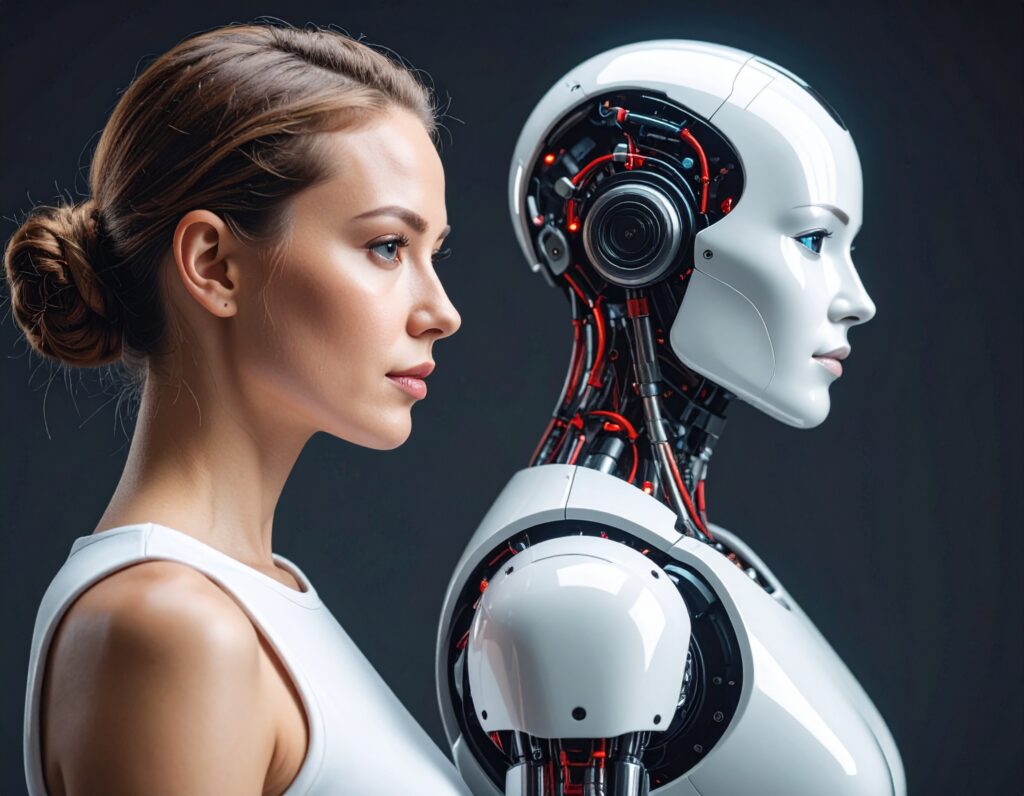
In Japan, car manufacturers account for about 25% of annual robot installations—second only to the electrical and electronics sector, which installed approximately 14,000 robots in 2024 (though down 5% from the prior year) . Beyond factories, robotics are increasingly visible in public spaces: during Future Creation Robot Week, held July 13–19, 2025, at Expo 2025 in Osaka, visitors can explore use cases like Voice AI Agents collaborating with humans in daily life contexts .
Key Highlights:
- Japan’s auto sector installed ~13,000 industrial robots in 2024—an 11% rise, highest since 2020.
- The country produces 38% of global robots and boasts one of the highest robot densities in car manufacturing.
- Shift to EVs, fuel-cell, and hydrogen vehicles fuels demand for advanced production technology.
- Automotive represents ~25% of Japan’s robot installations; only electronics sector installs more.
- Future Creation Robot Week (Osaka, July 13–19, 2025) showcases robotics extending into everyday applications.
Reference: