How MIT Is Building Virtual Worlds for Robots: A New Era of AI Employees and Non-Human Workers
In October 2025, MIT introduced a new AI tool that builds virtual 3D worlds to train robots safely and efficiently
Insights
Guides, comparisons and explainers on putting AI on the phone: what it can finish, what it hands back, and what to ask before you buy.
In October 2025, MIT introduced a new AI tool that builds virtual 3D worlds to train robots safely and efficiently
China’s courts issued conflicting rulings on AI voice imitation, raising key questions about personality rights, consent, and the rise of Voice AI Agents. Learn how these landmark cases may shape future laws protecting human identity in an era of Non-Human Workers.
Discover AI-powered virtual assistants, their use cases, types, and how businesses can leverage AI assistants to improve productivity and customer support.
Learn how AI enhances customer service with tools, analytics, and generative AI. Explore benefits, use cases, and best practices for support teams.
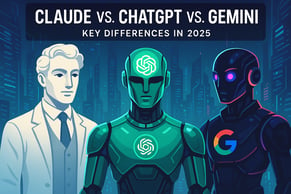
Compare Claude AI, ChatGPT, and Gemini in 2025. Discover which AI is best for coding, productivity, and overall performance in business and tech.
Discover the best AI tools and software for business in 2025. Compare top AI programs, apps, and free AI assistants for efficiency and growth.
The Pentagon is rapidly integrating AI Employees and non-human workers into military operations. This Politico report reveals growing concerns over leaks, lethal autonomy, and accountability in AI-driven warfare.
In October 2025, iRobot co-founder Rodney Brooks criticized Elon Musk’s humanoid robot vision as unrealistic, citing major challenges in dexterity and touch. As Tesla struggles with its Optimus prototype, rivals like Figure and Unitree are advancing practical non-human workers and AI Employees, reshaping the future of automation.
Learn how AI is changing sales. Discover AI tools for sales, tips on using artificial intelligence in sales and marketing, and strategies to increase revenue.
Engineers at the University of Virginia have developed soft robots that can walk and paddle on water using the innovative HydroSpread technique, paving the way for AI Employees and Non-Human Workers in healthcare, environmental monitoring, and flexible electronics.