Surging Interest at the Humanoids Summit
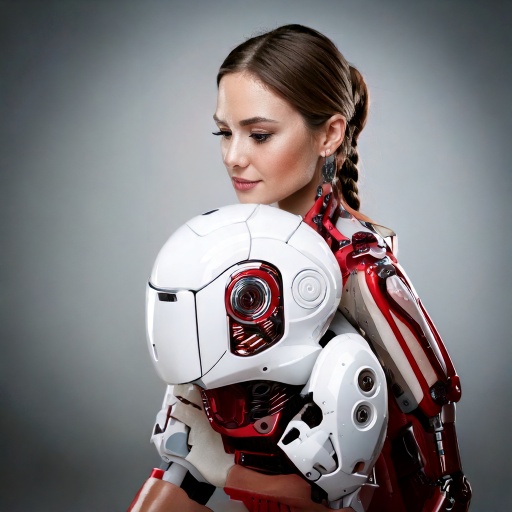
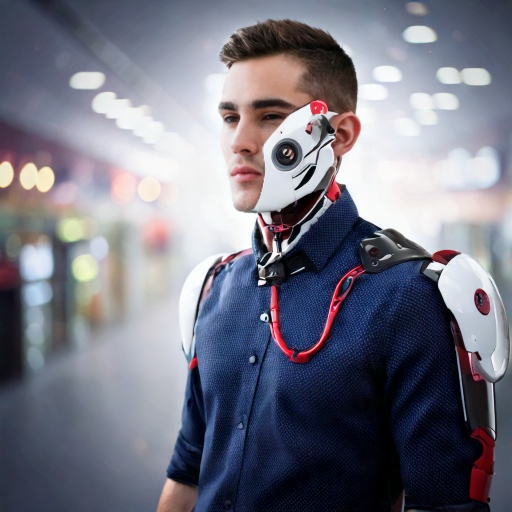
At the Humanoids Summit on December 11, 2025, researchers, investors, and robotics companies gathered at the Computer History Museum in Mountain View, California — and interest was clearly high. Attendees queued long before registration, eager to see the latest advances in humanoid robotics. These robots, often portrayed performing human-like tasks in promotional videos, represent a growing area of technological ambition, but one that still faces significant technical and societal hurdles.
Despite the hype, experts at the summit emphasized that many challenges remain. While basic mobility — like walking and navigating terrain — is improving, tasks requiring fine coordination or dexterity are still difficult. Furthermore, the cost of these machines remains high, and organizations are still uncertain how and when to deploy them effectively. Even acceptance among human workers is mixed, with concerns about job displacement and cooperation between humans and robots.
Investment Floods Into Non-Human Workers
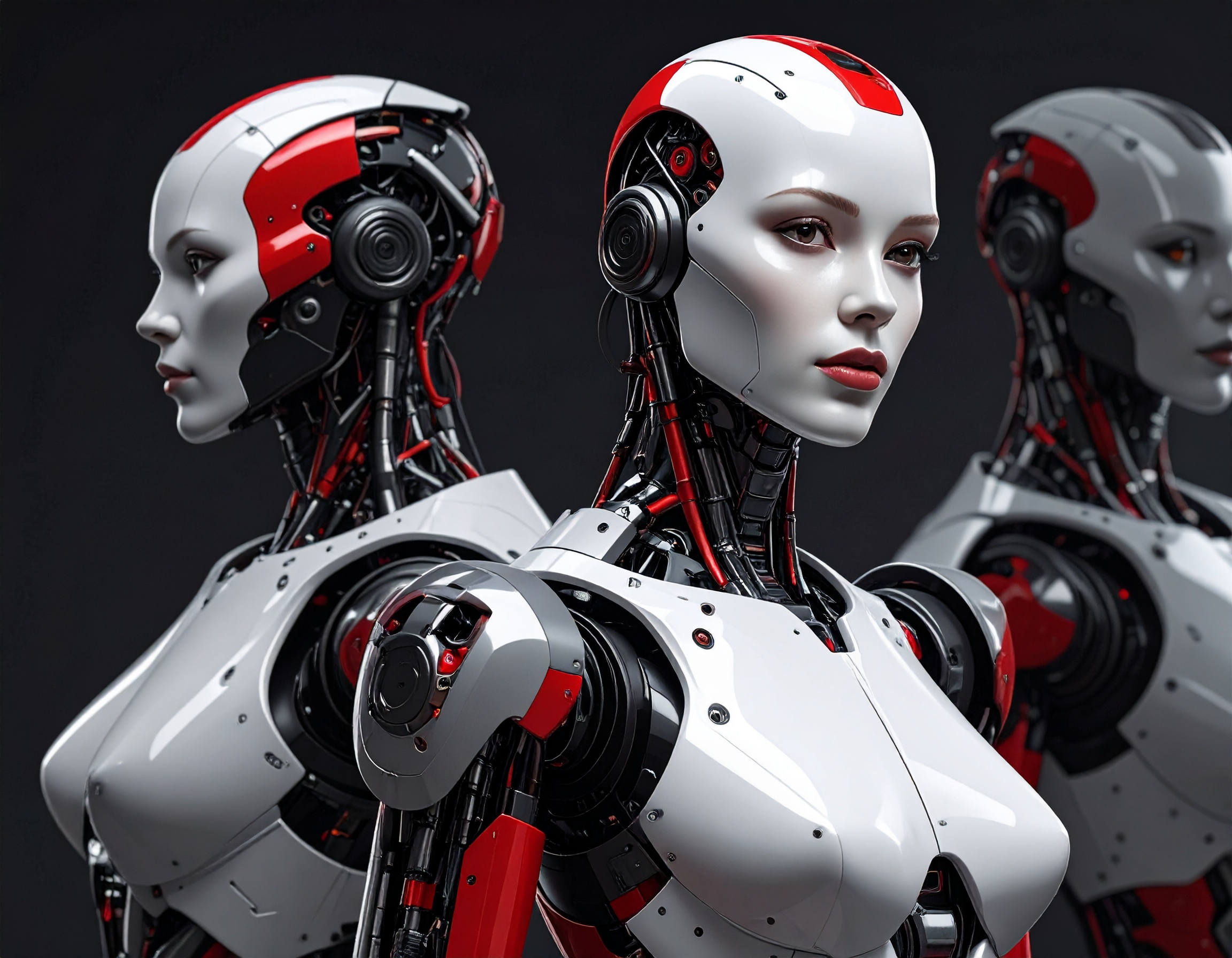
The most striking development highlighted at the summit is the surge in investment into humanoid robotics. According to industry observers and corporate participants, around 50 companies worldwide are actively developing advanced robots — including players in North America, China, Europe, and Asia. Venture capital and tech giants are pouring money into this space, seeing promise in what could become transformative AI Employees and Non-Human Workers across industries.
For example, the robotics company Figure AI raised over $1 billion in funding, boosting its valuation dramatically and signaling strong confidence in humanoid tech. These funds are intended to scale production and advance AI capabilities, including autonomous learning and task execution. At the same time, other markets like China are expanding commercial goals, with startups like AgiBot projecting hundreds of millions in revenue and thousands of units shipped in 2025, underscoring a broader global push towards embodied AI systems.
Why This Matters
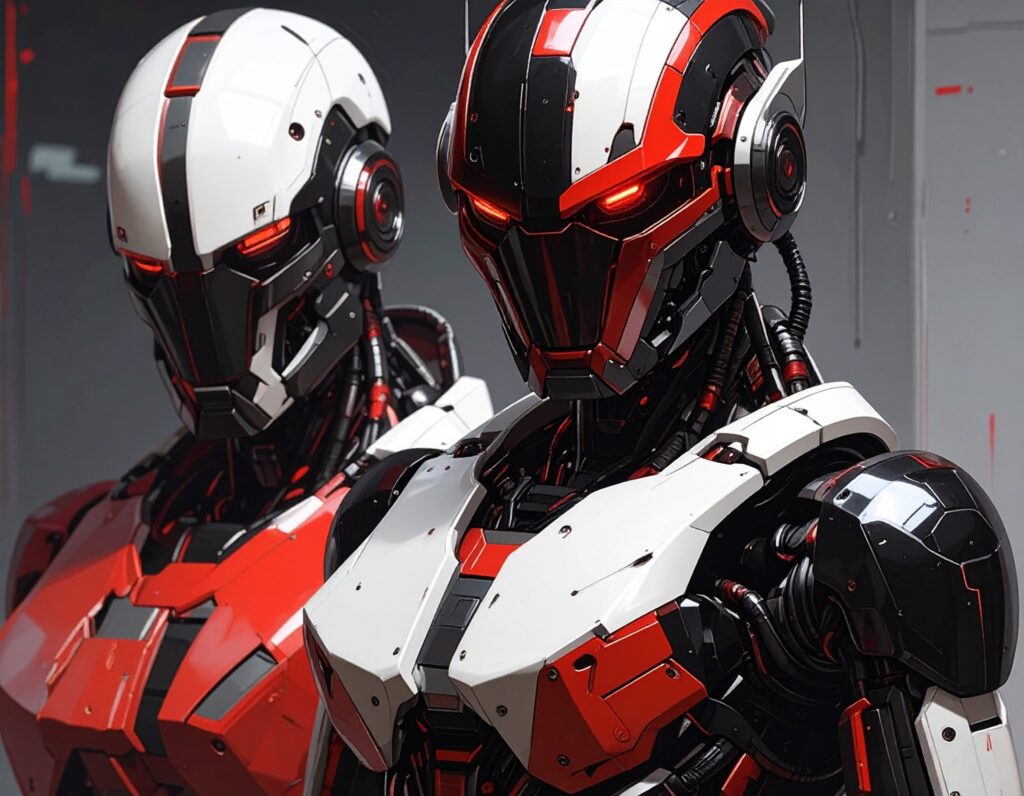
Though many of these robots are still novelty acts rather than fully capable workers, the increasing investment and activity in this field mark a pivotal moment in the evolution of automation and AI. Future Voice AI Agents and embodied AI systems could reshape labor markets, help address workforce shortages, and perform tasks too dangerous or repetitive for humans. However, as summit participants noted, overcoming technical limitations — especially in fine manipulation and real-world reliability — will take time.
Overall, the current phase shows that while tangible deployment of humanoid robots in everyday jobs remains a long-term goal, the momentum of investment and innovation is pushing the technology forward, making it one of the most watched frontiers in AI and robotics today.
Key Highlights:
- Date & Event: Humanoids Summit on December 11, 2025 showcased the state of humanoid robot development.
- Current State: Robots can walk and perform basic actions, but lack full dexterity and cost-effective deployment.
- Investment Growth: Around 50 companies developing advanced humanoids; major funding rounds like Figure AI’s $1 billion raise.
- Global Examples: China’s AgiBot projects US$142 million revenue and thousands of robot shipments.
- Broader Impact: Rising interest in AI Employees, Non-Human Workers, and Voice AI Agents signals a future reshaped by embodied AI.
Reference:
https://www.theregister.com/2025/12/25/humanoid_robots_investment_surge/