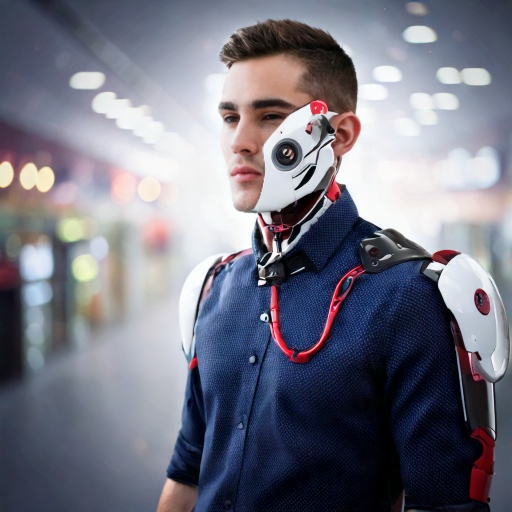
The Reality Behind the Robot Hype
In a major forecast released on January 21, 2026, world tech research firm Gartner predicted that although humanoid robots — AI-powered machines designed to act like human employees — are gaining attention, most will not be widely adopted across industrial operations by the end of the decade. According to the research, fewer than 100 companies will move past experimental testing, and fewer than 20 will fully deploy humanoid robots in production environments such as supply chains or manufacturing by 2028. This suggests that what many see as the future of automation remains largely proof of concept rather than mainstream deployment.
The core issue, Gartner explains, is that the technology underlying these “Non-Human Workers” isn’t mature enough. Current models struggle with complex tasks in real industrial settings due to limited adaptability, high costs, integration challenges, and battery constraints. Despite AI and machine learning advancements — especially in Voice AI Agents and sensory perception — robots designed to mimic human form are still far from being reliable replacements for human staff in chaotic, high-throughput environments.
Why Humanoid Robots Lag Behind Task-Specific Automation
Interestingly, Gartner notes that simpler, non-humanoid machines often outperform humanoid robots in real-world logistics and manufacturing roles. These polyfunctional robots can be equipped with wheels, specialized arms or sensors that help them move inventory, inspect goods, and carry out other tasks more efficiently and cost-effectively than humanoid counterparts. For most companies, this means prioritizing robots that do the job well rather than robots that look human.
For supply chain leaders, this forecast is a crucial wake-up call. Chief Supply Chain Officers (CSCOs) are advised to pilot and assess robotic solutions carefully, collaborate closely with technology providers, and focus on automation investments that deliver measurable operational outcomes rather than pursuing headline-grabbing humanoid robots prematurely.

What This Means for the Future Workforce
The Gartner prediction underscores a broader shift in how industries will integrate automation. Rather than replacing human workers wholesale with humanoid robots, companies will likely blend diverse forms of AI and robotics — from Voice AI Agents that assist with communication and control, to specialized physical robots that perform clear, structured tasks. The path to 2028 will be marked by incremental robotic adoption, careful cost-benefit analysis, and testament that the “AI employee” revolution is evolving — but not yet fully here.
Key Highlights:
- Gartner forecasts fewer than 100 companies will move humanoid robots beyond pilot tests by 2028.
- Only under 20 organizations are expected to deploy humanoid robots in real manufacturing/supply chain settings.
- Primary barriers include technology limitations, integration complexity, high costs, and energy constraints.
- “Polyfunctional” non-humanoid robots often outperform humanoid models for practical tasks.
- CSCOs are encouraged to pursue pilot programs and focus investments on outcome-driven automation.
Reference:
https://consumergoods.com/few-companies-will-scale-humanoid-robots-2028-predicts-gartner