When Innovation Met Reality: CES 2026 and the Rise of Non-Human Workers
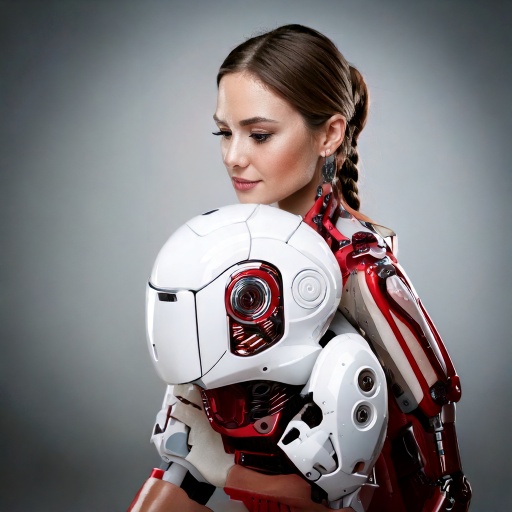
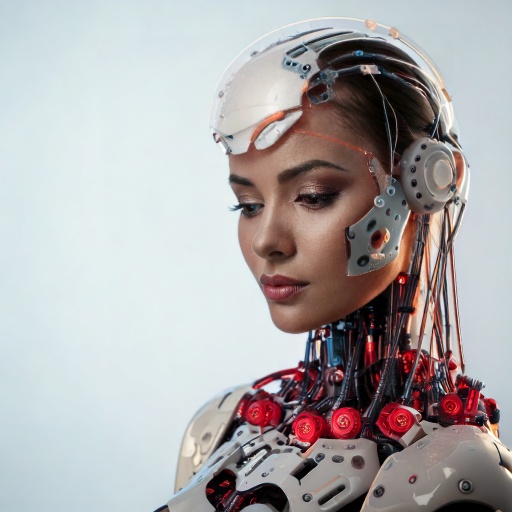
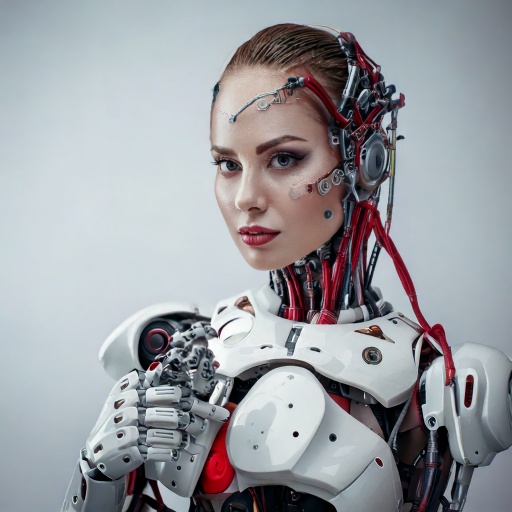
In January 2026 at the Consumer Electronics Show (CES) in Las Vegas, Boston Dynamics — now majority-owned by Hyundai Motor Group — pulled back the curtain on the production-ready Atlas humanoid robot, signaling a meaningful shift in robotics from lab curiosities to practical AI Employees. Atlas, a six-foot-two, all-electric humanoid designed with AI at its core, was showcased performing tasks like waving and moving car parts, illustrating how far the technology has come since its early days. Beyond demonstrations, Hyundai and Boston Dynamics outlined plans to bring these Voice AI Agents into real industrial settings, starting with automotive factories.
From Prototype to Factory Floor: What Happened and Why It Matters
Unlike past robots that were limited to controlled shows or research labs, the latest Atlas is intended for hands-on work in manufacturing environments. Hyundai has publicly committed to deploying these humanoid robots at its U.S. Metaplant America facility in Georgia by 2028, initially focusing on safe, repetitive tasks such as parts sequencing and expanding into more complex roles over time. This move isn’t just about novelty — it represents a strategic push into the “physical AI” era, where robots equipped with advanced machine learning can perform real labor previously done by humans.
What Makes Atlas Different: AI, Adaptability, and Human Collaboration
The key to Atlas’s potential impact is its AI-driven adaptability. According to Boston Dynamics’ CEO, these Non-Human Workers are being designed to learn new tasks quickly — ideally being retrained in a day or two — allowing them to fit into dynamic factory workflows rather than rigid, pre-programmed roles. Boston Dynamics believes this flexibility, combined with a focus on collaboration rather than outright replacement of human staff, will help ease adoption and improve safety and productivity on the factory floor.
The Broader Implications: Jobs, Productivity, and a New Workforce
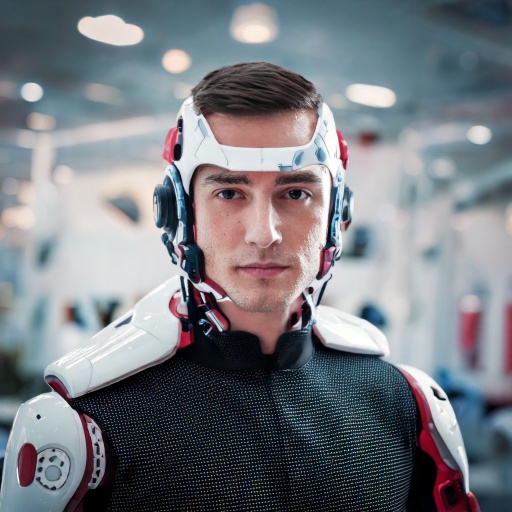
The Atlas initiative highlights an emerging future where AI Employees work alongside people in physically demanding environments. While robots taking on tough, repetitive tasks could reduce human strain and open opportunities for higher-skilled work, the transition raises important questions about job roles, workforce training, and economic impacts. Mass production targets — including plans to build up to 30,000 Atlas robots per year by 2028 — suggest that this isn’t a niche experiment but a major industrial application with wide-ranging effects.
Key Highlights:
- Unveiled at CES 2026, Atlas is now a production-ready humanoid robot designed for factory work.
- Hyundai aims to deploy Atlas robots in U.S. manufacturing facilities by 2028, starting with logistics tasks and scaling up.
- Advanced AI enables rapid retraining — a key condition before robots enter real work environments.
- The shift toward Non-Human Workers points to a future where humans and AI Employees collaborate in industrial settings.
- Deployment of Voice AI Agents and AI-powered robots could redefine productivity and labor roles in the coming decade.
Reference: