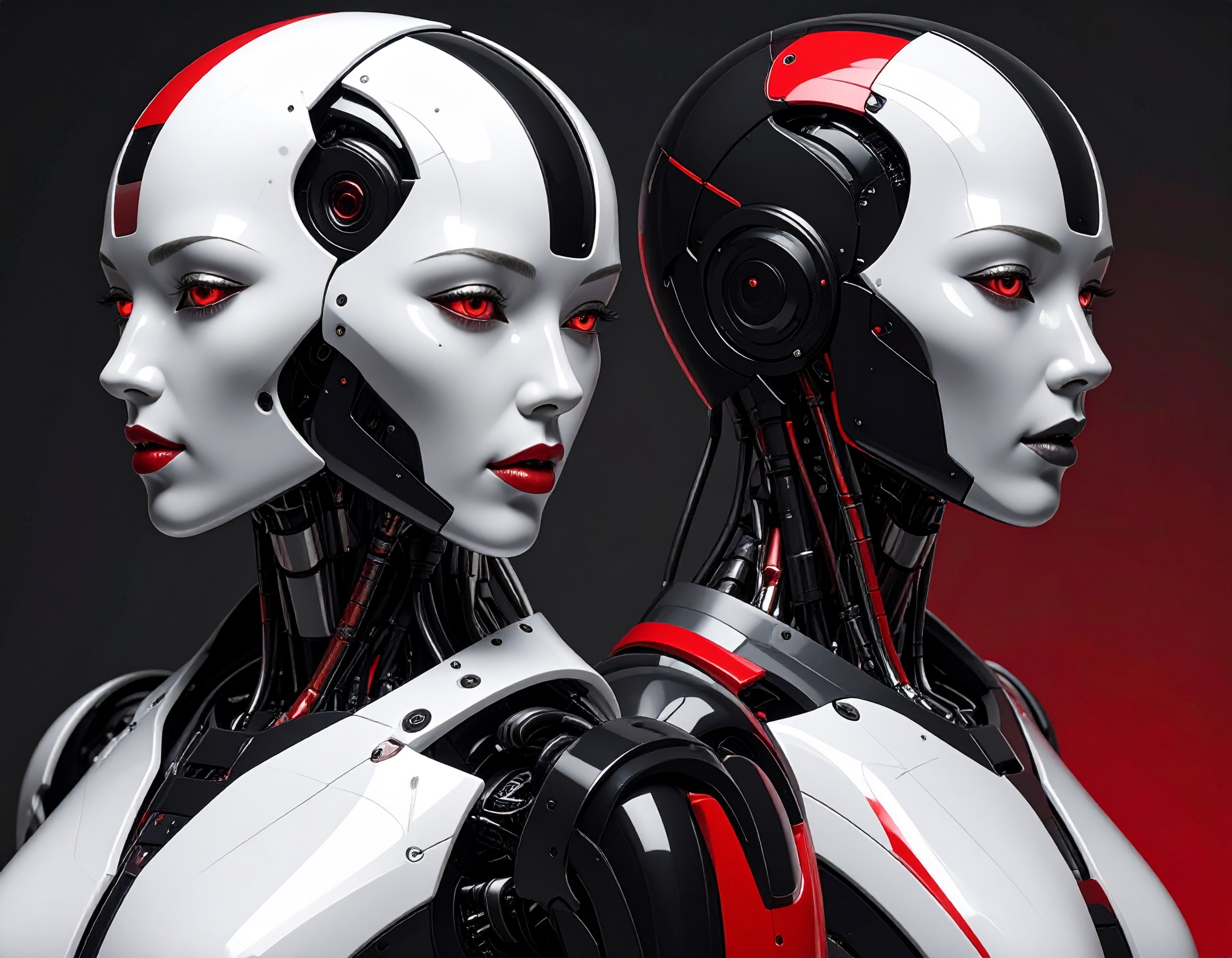
Breaking Through the Hype: Where Humanoid Robots Actually Stand in 2025
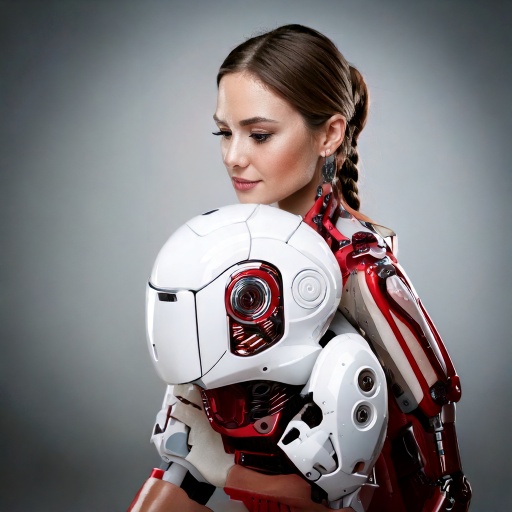
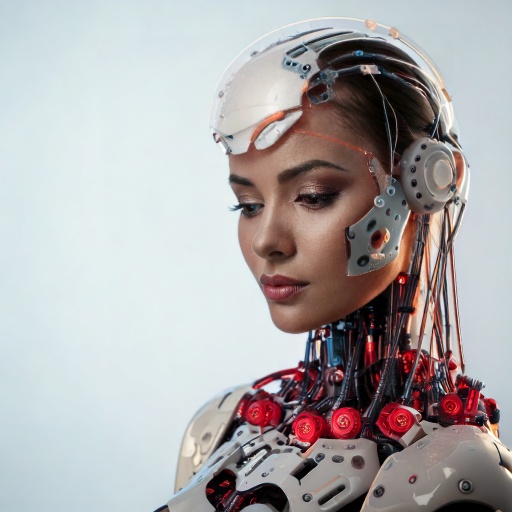
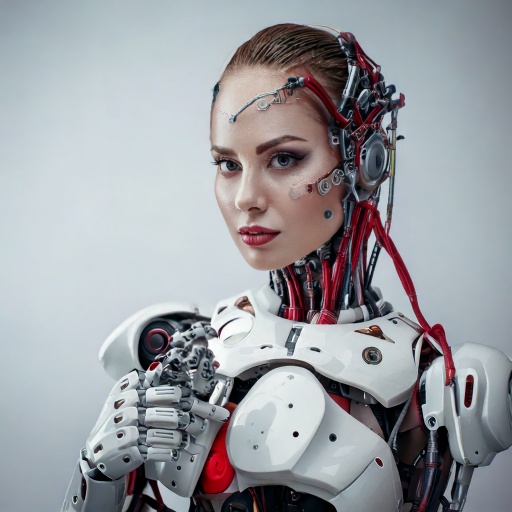
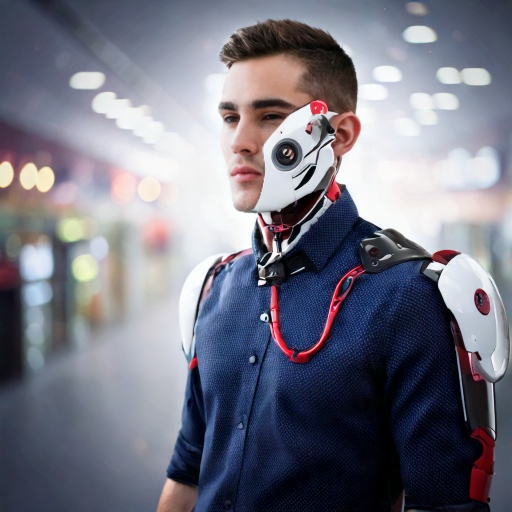
Humanoid robots — machines designed in the human image — have moved from science fiction into tangible engineering reality as of December 26, 2025. Companies like Figure AI, Agility Robotics, and Boston Dynamics are making notable strides in physical capability and perception thanks to breakthroughs in AI and advanced hardware platforms like Nvidia’s Jetson Thor. These robots can walk, balance dynamically, and interact with objects in ways that were once purely demonstrative. However, experts emphasize that even impressive demos — such as backflips and dexterous manipulation — don’t yet translate into reliable performance in open, everyday environments. Many technologies remain confined to pilot projects or controlled settings rather than widespread practical deployment.
Real Applications: Where Non-Human Workers Are Gaining Traction
Despite engineering challenges, humanoid robots are beginning to earn real roles where conditions are predictable. In warehouses and logistics, robots like Agility Robotics’ Digit are already collaborating with human workers, handling repetitive and physically demanding tasks. Some factory floors are testing humanoids to relieve human workers from monotonous labor, and partnerships with industrial AI partners are pushing robots into welding or shipyard work. In these structured settings, humanoid form factors help robots use existing tools and navigate spaces without extensive infrastructure redesign — showing that “AI Employees” don’t have to be science fiction to be useful.
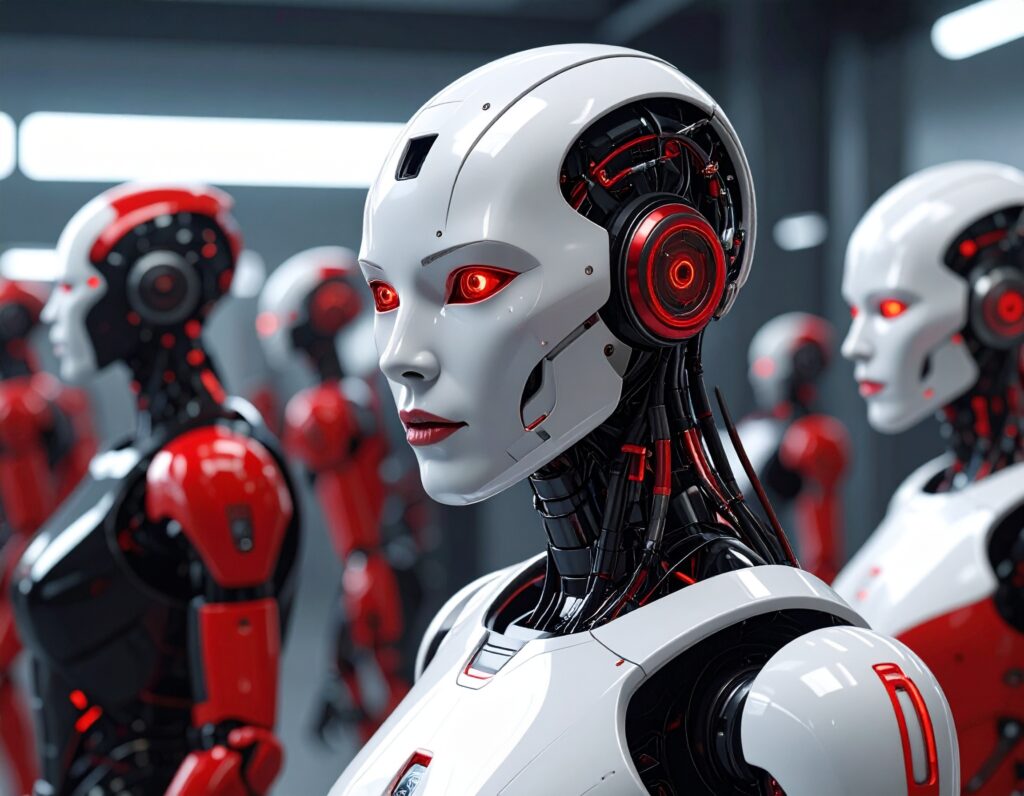
Engineering and AI Challenges Still Loom Large
Key obstacles remain before humanoid robots become true autonomous assistants. Current systems struggle with subtle physical intuition (like handling fragile items), cost and scalability, and advanced real-time perception in chaotic environments. Even with sophisticated vision-language-action AI models and improved compute, integrating AI planning with reliable physical execution is still a major research focus. This means that while “Voice AI Agents” and advanced control systems are improving robot cognition, the fundamental blend of perception, balance, manipulation, and responsive autonomy is still under development.
Societal and Ethical Dimensions: Why This Matters
The rise of humanoid robots raises broader questions beyond engineering. As robots begin interacting more closely with people and taking on roles alongside human teammates, safety, regulation, workforce impacts, and social acceptance are coming into focus. Thoughtful policies and ethical frameworks will be essential to ensure that these “Non-Human Workers” are deployed responsibly, especially where they assist vulnerable individuals or operate in shared human spaces. The progress seen in 2025 is notable, but widespread, general-purpose humanoid assistants in homes, hospitals, and public life remain a goal for years or even decades ahead rather than an immediate reality.
Key Highlights:
- Humanoid robots are advancing in mobility, perception, and AI integration in 2025, but still not ready for everyday autonomous use.
- Practical deployments are emerging in warehouses, logistics, and factory settings with robots relieving human labor.
- Significant challenges remain in physical intuition, scalability, and robust AI perception.
- Ethical, safety, and workforce considerations are becoming central as robots move closer to human environments.
Reference: