The Promise and the Pause: Understanding the Current Landscape
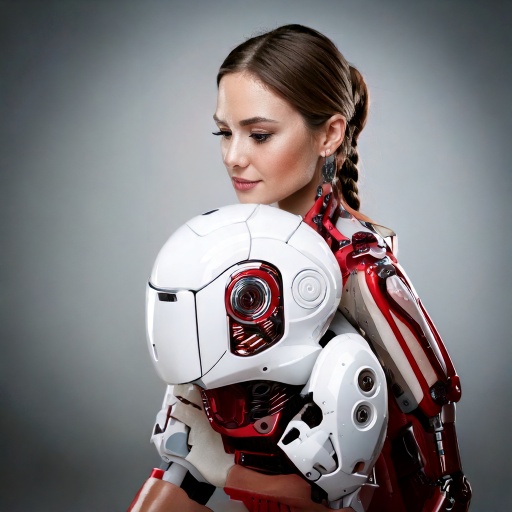
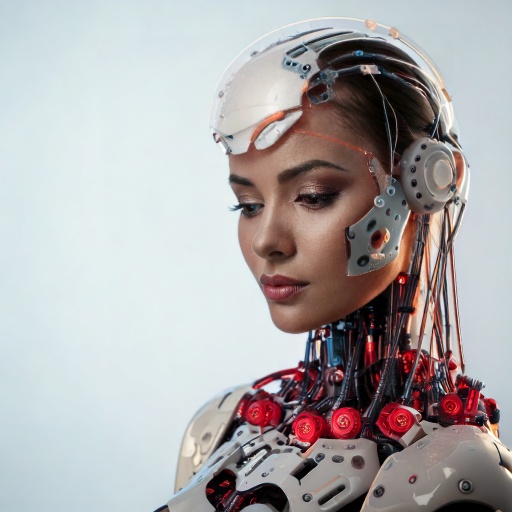
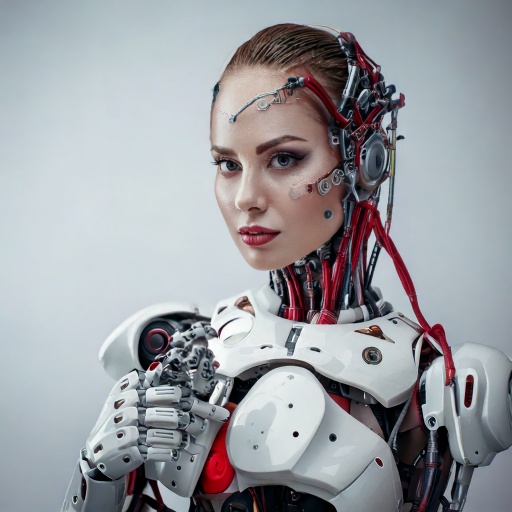
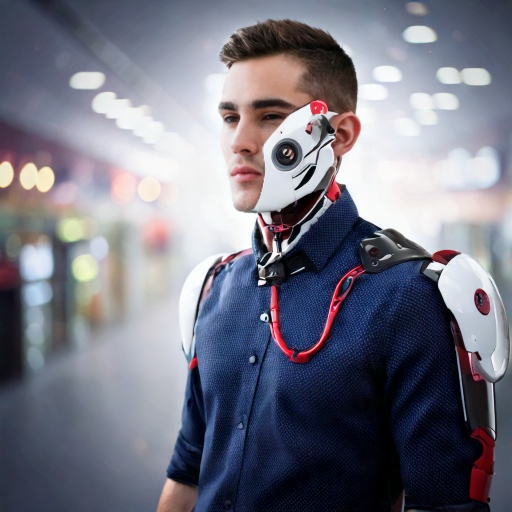
On December 27, 2025, MarketWatch reported that a humanoid robot revolution is on the horizon, with machines designed to mimic human form and function set to transform industries and everyday life — but real, widespread deployment will take time. Despite soaring investments and rapid progress by startups like Figure AI, Tesla’s Optimus project, and Boston Dynamics, creating fully autonomous robots with human-level dexterity, awareness, and safety remains exceedingly complex.
This moment is significant because the market for these machines — often referred to as AI Employees, Non-Human Workers, or Voice AI Agents when specialized for conversational tasks — is projected to grow into a multi-trillion-dollar opportunity. Analysts predict markets worth $5 trillion or more by mid-century as humanoid robots transition from prototypes to practical tools in both industrial and service settings.
Why It’s Taking So Long: Technical and Practical Challenges
The article emphasizes that hardware limitations — such as replicating the dexterity of the human hand — and software hurdles, like enabling robots to understand and navigate real-world environments without constant supervision, are major barriers. Current AI systems, including advanced large language models, aren’t yet capable of robust physical spatial reasoning. Safety also remains a concern; there have already been lawsuits linked to robot malfunctions, underscoring the difficulty of ensuring reliable performance around humans and pets.
Some experts question the focus on humanoid form altogether, arguing that specialized machines can outperform human-like robots for specific tasks. Nevertheless, research continues into methods like simulation-based training and teleoperation to bootstrap robot learning more effectively.

Where We Are Headed: Long-Term Impact and Market Growth
Although early consumer and industrial robots are emerging — with prices ranging from a few thousand dollars to tens of thousands — mass adoption is still years away. Predictions vary, but estimates suggest that while fewer than a million humanoid robots may be sold in the U.S. by 2035, by 2050 the market could be worth trillions, with robots deployed across workplaces and homes.
This gradual timeline matters because it offers businesses, workers, and policymakers time to adapt. As these non-human workers evolve from novelty products into practical AI Employees and Voice AI Agents, they could help address labor shortages, assist in aging societies, and reshape economies — but not without thoughtful integration and safeguards.
Key Highlights:
- Humanoid robot revolution is likely but gradual, not instantaneous.
- Technical hurdles include mechanical dexterity and real-world AI reasoning.
- Safety and reliability remain top industry challenges.
- Market forecasts predict multi-trillion-dollar growth by mid-century.
- Early models are emerging now, but full autonomy and widespread use are years away.
Reference: