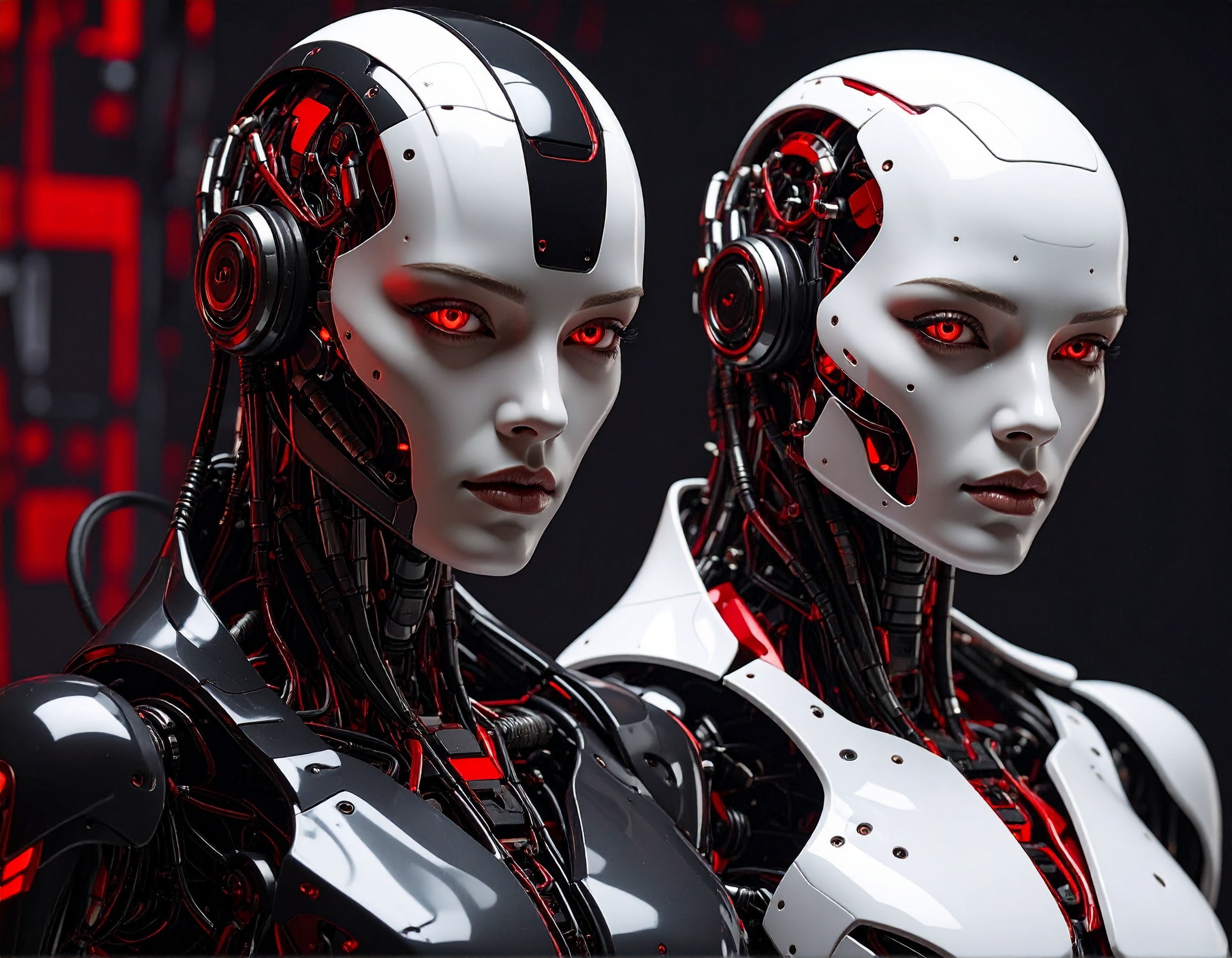
Why the Humanoid Robot Boom Isn’t Here — Yet
In late December 2025, a Wall Street Journal report underscored a striking paradox in robotics: despite massive investment and high expectations, humanoid robots — machines designed to look and move like people — remain firmly in early stages of real-world use. Tech leaders and engineers from robotics companies now caution that the industry’s hype has outpaced reality, even as robots begin performing simple tasks in limited roles.
Many firms have deployed robots such as Agility Robotics’ Digit in warehouse settings, where the machines perform basic jobs like picking up and moving packages. But complex applications — especially those involving autonomous decision-making outside structured environments — remain distant. Safety, cost, and technical constraints are key barriers; for every $100 spent deploying robots today, about $80 goes toward human safety systems and integration rather than the machine itself.
Key Real-World Examples and Industry Skepticism
Industry insiders at events such as the recent Humanoids Summit in Mountain View, California, highlighted the gap between the promise of humanoids and their practical performance. Some startups are experimenting — for instance, Gatlin Robotics showcased a prototype trying to clean surfaces, while founders of other companies push back on unrealistic forecasts.
Even leaders of robotics firms stress that today’s robots excel only at narrow, repetitive duties like moving boxes or welding in hazardous environments, rather than serving as general-purpose helpers or household assistants. This cautious view contrasts with high-profile projections from figures such as Elon Musk and Nvidia’s Jensen Huang, who foresee massive robot deployments within the next decade.

Why This Matters for Labor and Innovation
The evolving state of humanoid robotics has significant implications for AI Employees and Non-Human Workers across multiple sectors. While buzz around multi-purpose robots persists — buttressed by billions in venture investment — most enterprises are still prioritizing specialized automation over humanoid form factors. Real improvements in mechanical dexterity, reliable autonomous behavior, and safe human–robot interaction must come before widespread adoption.
Understanding these limits helps temper unrealistic expectations that robots will soon replace humans broadly in workplaces or homes. Instead, the near-term robotic workforce is likely to remain a mix of narrow task performers, supported by Voice AI Agents and AI decision systems that augment human labor rather than supplant it. This timeline is important for policymakers, business leaders, and workers planning for a future where humans and machines increasingly collaborate.
Key Highlights:
- What Happened: Robotics leaders admit humanoid robots are overhyped; current capabilities are limited to basic, narrow tasks.
- Examples of Use: Digit robots in warehouses; prototypes cleaning surfaces.
- Challenges: Safety costs, technical limitations, unreliable complex task performance.
- Why It Matters: Impacts expectations for AI Employees, Non-Human Workers, and the future of workplace automation.
Reference:
https://www.wsj.com/tech/ai/humanoid-robot-hype-use-timeline-1aa89c66