The Hype Meets Reality
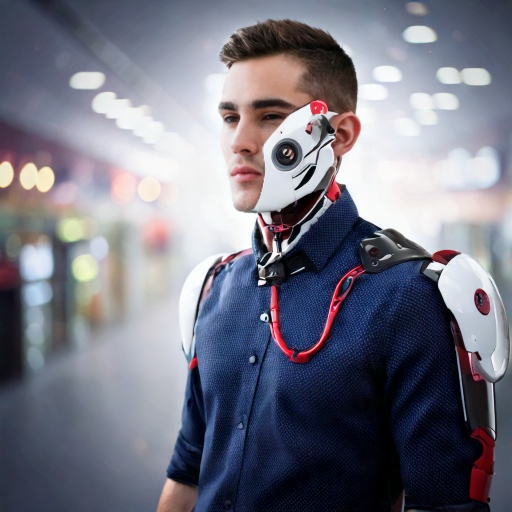
In late January 2026, global research firm Gartner released a major prediction about the future of humanoid robots in supply chains — and it brings a sobering message for industry leaders betting on these futuristic machines. According to Gartner’s analysis, the recent excitement around “AI Employees” that walk and act like humans may not translate into widespread adoption in warehousing and logistics by 2028. Although many companies are experimenting with humanoid designs that mimic human workers and include advanced AI systems, Gartner says the trend is more of a temporary “blip” than a structural shift toward full deployment.
Humanoid robots — designed with two arms, legs, sensors and machine learning to adapt to varied tasks — have been pitched as a solution to workforce challenges such as labour shortages, rising costs, and skills gaps. Yet Gartner predicts fewer than 100 companies will take these robots past proofs of concept, and fewer than 20 will run them in real production environments by 2028. Most deployments, the firm says, will be confined to controlled lab-like settings rather than bustling supply chain operations.
Barriers to Scaling “Non-Human Workers”
Gartner’s skepticism stems from several clear limitations experienced by humanoid robot projects. Technologically, the machines still lack the dexterity, intelligence and adaptability needed for complex warehouse tasks. Integration with existing systems remains challenging, costs are high, and battery life limits operational uptime — all of which undermine their appeal compared with more practical alternatives.
Instead of humanoid designs, Gartner highlights polyfunctional robots — machines built not to look like humans but to excel at specific tasks (e.g., moving boxes, scanning inventory, picking cases) — as the more efficient and cost-effective solution for most supply chain environments. These robots typically use wheels and specialized sensors, delivering higher throughput and better return on investment. Gartner advises leaders to pilot technology wisely, collaborate with emerging providers, and target automation that solves specific bottlenecks rather than trying to replace humans wholesale.

What This Means for Supply Chain Innovation
This forecast matters because it injects realism into discussions about robotics and automation in business operations. While the concept of humanoid Voice AI Agents and AI Employees replacing human labour remains appealing in theory, tangible evidence suggests the technology isn’t yet ready for the fast pace and complexity of modern supply chains. Companies investing in tomorrow’s workforce must balance innovation with practicality, choosing solutions that deliver measurable value today rather than chasing futuristic demos.
Key Highlights:
- Gartner predicts humanoid robot adoption in supply chains will be limited through 2028, with fewer than 20 companies deploying them in real operations.
- High development costs, technical immaturity, energy constraints, and integration difficulties are major barriers.
- Polyfunctional robots are seen as more practical alternatives for warehouse tasks.
- Leaders are advised to pilot tests, focus on specific bottlenecks, and measure return on investment before large rollouts.
Reference:
https://procurementmag.com/news/gartner-humanoid-robots-supply-chain-blip