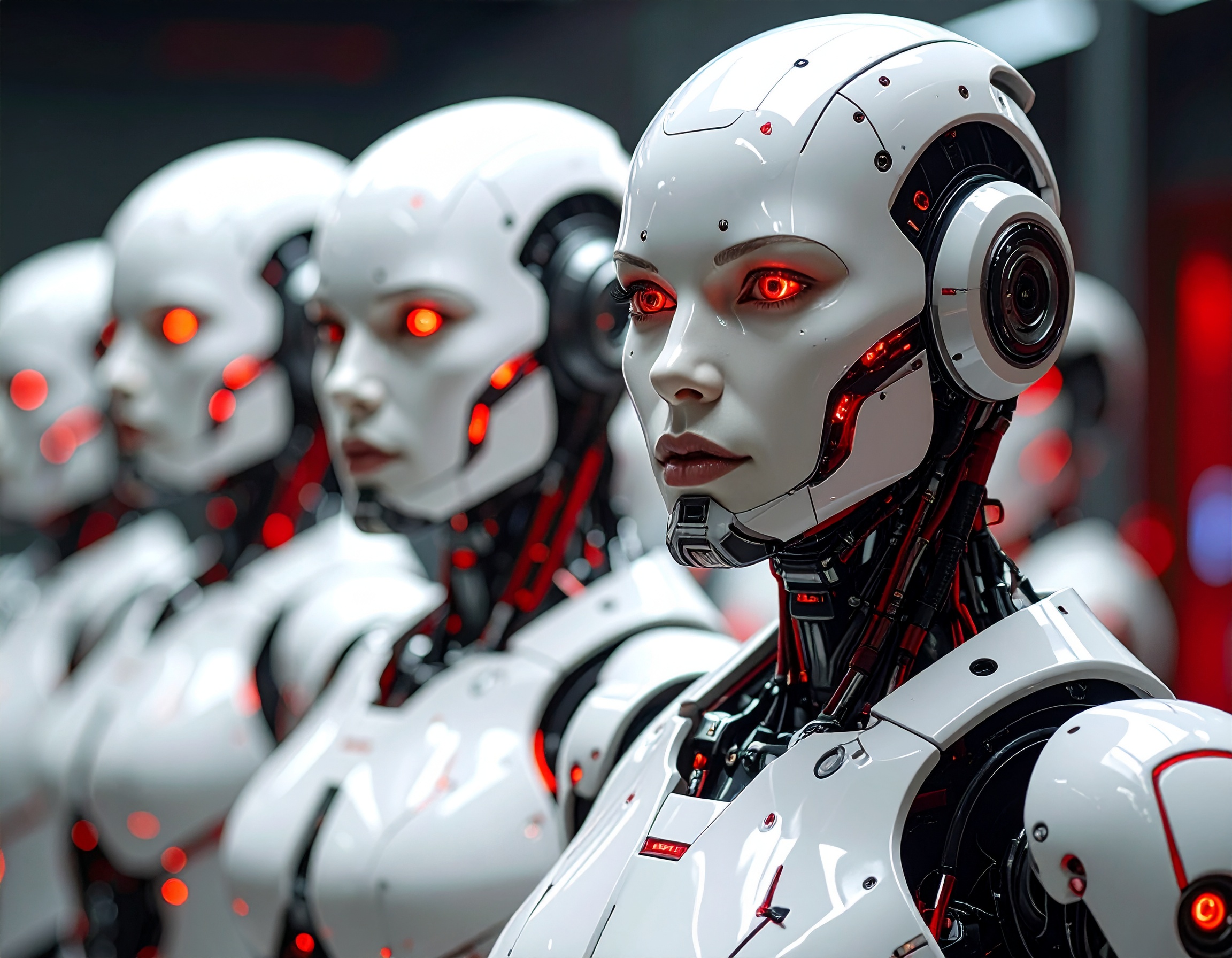
A Year of Growth and Hype in Embodied Intelligence
In 2025, the field of embodied intelligence — the branch of robotics that aims to create machines capable of interacting with the physical world — saw explosive momentum, even though robots still cannot fully perform real-world work independently. According to a year-end report published on December 25, 2025, the industry passed a crucial first stage of mass production and capital expansion, moving from lab prototypes toward commercial reality. This reflects both the optimism and challenges of the sector, particularly as investors and companies reconcile technological limitations with growth expectations.
Key developments included hundreds of major financing events worldwide. In the first three quarters of 2025, robotics startups collectively raised roughly 50 billion yuan in China alone, more than double the previous year’s figure. Several companies achieved record-setting funding rounds, and many robot firms filed for initial public offerings (IPOs) or went public in Hong Kong and other exchanges. These moves illustrate how the market is valuing future potential even before robots consistently deliver autonomous, robust work performance.
Technological Promise vs. Practical Reality
Despite unprecedented capital interest, the report noted that robots still can’t replace human labor in most real work scenarios, particularly where dexterity, reliability, and cost-effectiveness are required. Technological hurdles such as robotic manipulation (“dexterous hands”), multimodal perception, and durability remain significant barriers. Thus, while the industry narrative is increasingly about AI Employees and Non-Human Workers entering the workforce, the actual capability of physical robots to perform meaningful tasks is still developing.
This divergence between investor enthusiasm and current capability reflects a broader pattern in AI and automation. Just as Voice AI Agents and digital workers have rapidly been adopted in software and service domains — shifting from simple assistants to autonomous agents that execute tasks — embodied intelligence is riding a similar wave of expectations. Both physical robots and AI software agents represent new paradigms for work, but embodied intelligence lags behind its digital cousins in terms of real-world task execution.
Key Highlights:
- 2025 marked a breakthrough financing year for the robotics and embodied intelligence industry, with hundreds of deals and record-large funding rounds.
- Robots still can’t perform reliable, autonomous work tasks, especially in complex environments.
- Industry actors are accelerating commercialization efforts, including mass production and IPO preparations, despite technical limits.
- The trend ties into broader AI shifts where Non-Human Workers like AI Employees and Voice AI Agents are reimagining productivity across sectors — though physical embodiment remains harder than software.
Reference: