China’s Robot Ambitions Expand Into New Markets
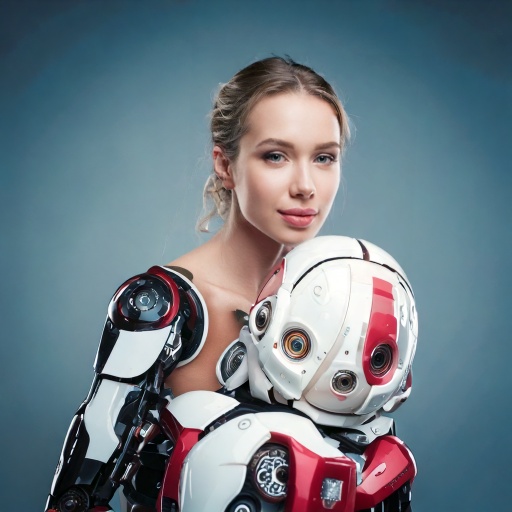
On January 28, 2026, industry insiders highlighted a major shift in the global robotics landscape: Chinese humanoid robot companies are moving from development to real‑world deployment far faster than their U.S. counterparts. Startups like LimX Dynamics — backed by giants such as Alibaba, JD.com and Lenovo — are preparing to ship thousands of their humanoid robots to the Middle East this year and are exploring partnerships in the United States. These robots are designed not just as research prototypes but for commercial uses in services, research, and support roles, potentially well before Tesla’s own offerings reach the market.
LimX’s robots run on an advanced AI system (COSA) that lets them make autonomous decisions — for example, catching balls or following voice commands without remote guidance — hinting at the next generation of AI Employees instead of controlled machines. This aggressive expansion shows how firms outside the U.S. are turning robots into real operational workforce tools.
Why This Matters: Competition with Tesla’s Optimus
Tesla’s Optimus humanoid robot has been central to CEO Elon Musk’s vision of the company’s future, with plans to sell the robot to the public by late 2027. Musk has publicly stated that Optimus could even dwarf Tesla’s automotive business in value. But so far, Optimus units have only reached early industrial partners, and full commercial availability remains years away. Meanwhile, Chinese firms are already shipping units and showcasing their bots at global tech events like CES 2026 alongside tech leaders such as Musk and NVIDIA’s Jensen Huang.
This matters because it highlights a broader race in automation and workforce transformation. Robots that look and act like humans — Non‑Human Workers — are no longer science fiction but emerging technologies poised to transform industries ranging from logistics and R&D to customer service in multiple regions.
Global Context: Robotics as a Strategic Technology
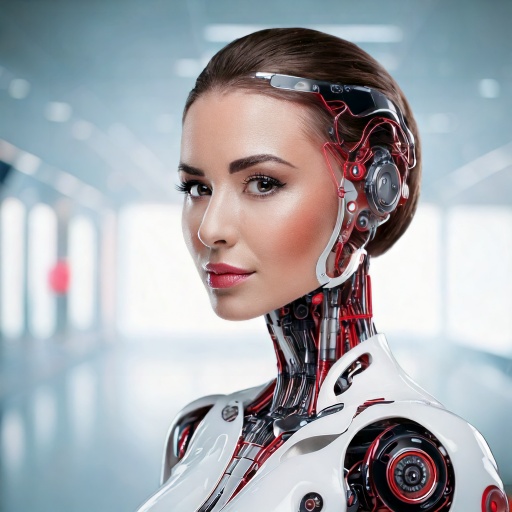
The push reflects deeper economic and demographic pressures. China is using robust supply chains and government support to accelerate production scale — including lowering costs for advanced robotic components — while Western companies work more on AI and autonomy. Experts say robots could help alleviate labor shortages caused by aging populations and rapidly changing job markets.
Across the U.S. and Europe, policymakers and companies are watching closely. Executives argue enhanced robotics investment could boost competitiveness, while others warn of technological “bubbles” if expectations outpace current capabilities. Nevertheless, China’s early commercial shipments signal a turning point in how and where humanoid robots enter everyday life and business.
Key Highlights:
- Date & Relevance: The news centers on developments reported January 28, 2026 about the rapidly evolving humanoid robot market.
- China’s Expansion: Chinese firms like LimX Dynamics are preparing real shipments of humanoid robots to the Middle East and pursuing U.S. partnerships this year.
- AI Employees: Next‑generation humanoid robots use advanced AI systems capable of autonomous decisions and voice interaction — moving beyond remote control.
- Tesla Optimus Status: Tesla’s Optimus, targeted for public sale by late 2027, still lags behind in commercial deployment and faces stiff competition.
- Global Competition: Robotics is increasingly a strategic priority worldwide, with China scaling production leverage while the U.S. focuses on AI capabilities and regulatory frameworks.
Reference: