Setting Standards for the Future of Work
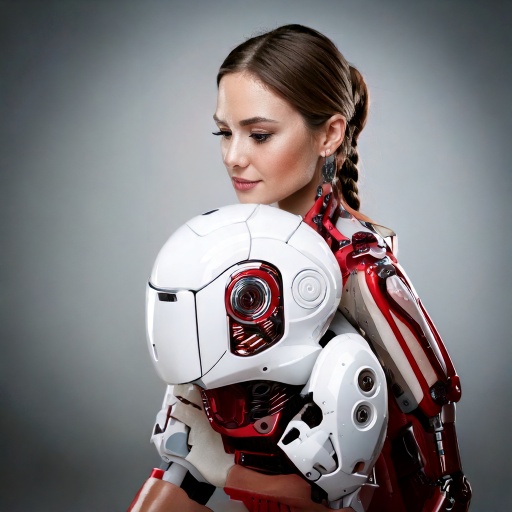
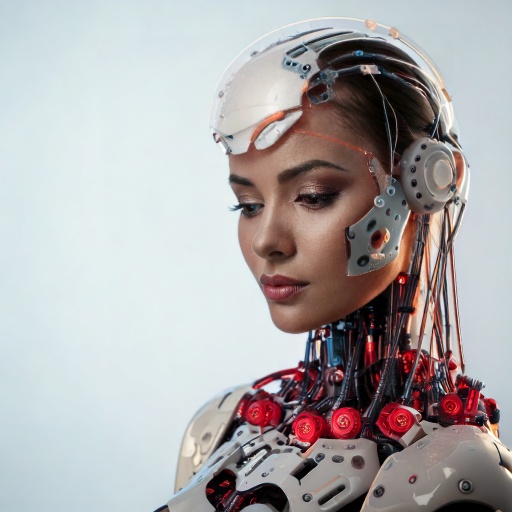
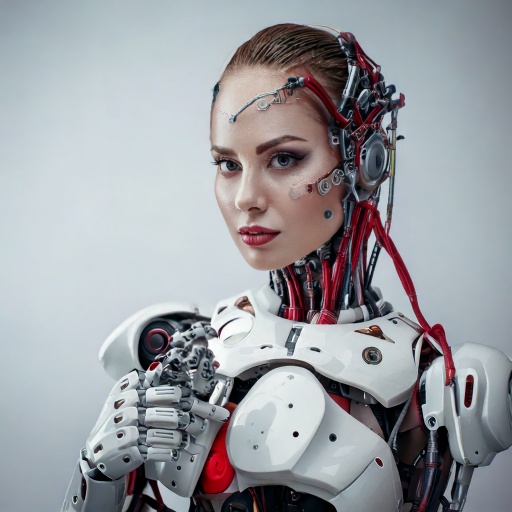
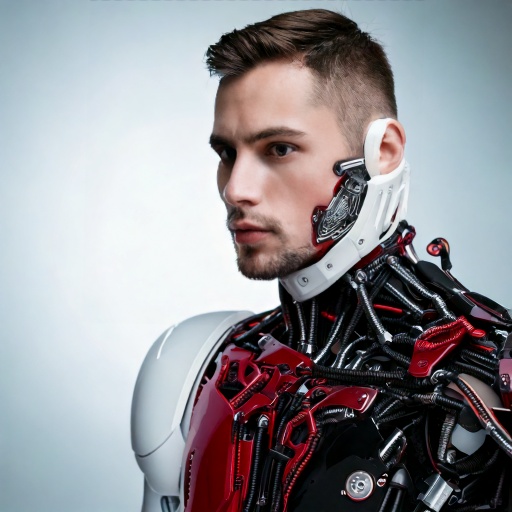
On December 27, 2025, China’s Ministry of Industry and Information Technology (MIIT) announced the formation of a standardization technical committee focused on humanoid robots and embodied intelligence—technology that combines robotics with advanced AI systems. The move is intended to create systematic standards that will make the sector safer, more compatible, and more competitive internationally. This effort comes at a time when the humanoid robot industry is transitioning from prototype to commercialization, with the global embodied intelligence market projected to reach roughly 19.5 billion yuan ($2.78 billion) in 2025, and China expected to account for nearly half of that total.
Key Challenges and Why It Matters
Experts involved with the new committee highlight that current standards lag behind the rapid pace of innovation. They point to gaps in how robots handle embodied data, task execution, component interfaces, and testing—all of which are essential for AI Employees and other Non-Human Workers to function reliably at scale. Without unified rules, different companies’ technologies can’t work well together, slowing adoption and raising safety concerns. The committee aims to bridge these gaps, improve ethical safeguards, and align China’s emerging protocols with international standards.
Broader Context: Robotics as New Productivity Forces
Humanoid robots integrate multiple advanced technologies—AI, sensors, chips, and materials—making them emblematic of future “productive forces” that extend beyond traditional automation. China’s policy guidance, tied to its 15th Five-Year Plan goals, stresses innovation in future industries such as embodied AI, which includes technologies powering Voice AI Agents and other autonomous systems. This signals strategic government support not only for industrial growth but also for new forms of labor where smart machines act as workforce complements or stand-alone AI Employees.
Ripples Across Industry and Economy
The establishment of this committee is timely. As AI systems—including voice and autonomous agents—are rapidly deployed across sectors globally, setting clear benchmarks could help Chinese companies stay competitive and foster safer integration of non-human workers into settings ranging from factories to elder care. This initiative also reflects a worldwide trend: businesses increasingly view AI agents as central to future operations, with many executives predicting they will reshape work in the coming years.
Key Highlights:
- December 27, 2025: China’s MIIT establishes a standardization committee for humanoid robots and embodied intelligence.
- Purpose: address gaps in safety, interoperability, testing, ethics, and core components to boost global competitiveness.
- The sector is rapidly moving toward commercialization, projected to reach ~19.5 billion yuan in 2025.
- Standardizing AI Employees and Non-Human Workers aligns with national policy and global trends toward autonomous systems.
Reference: