Integrating Living Muscles with Electronics
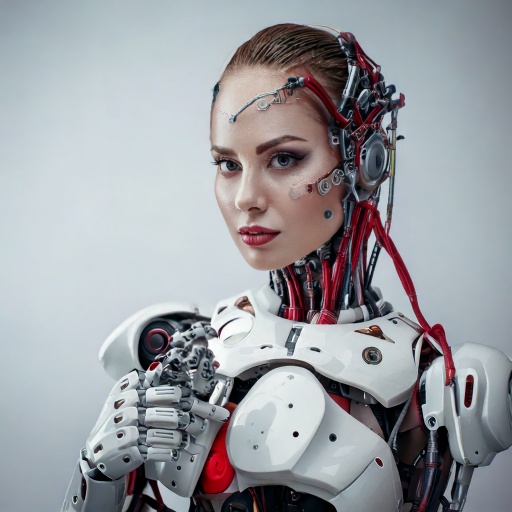
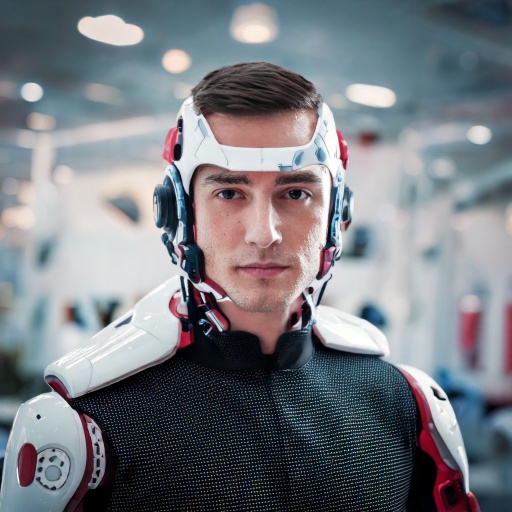
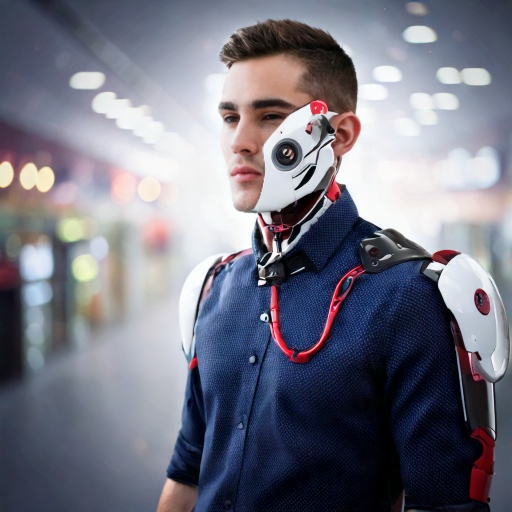
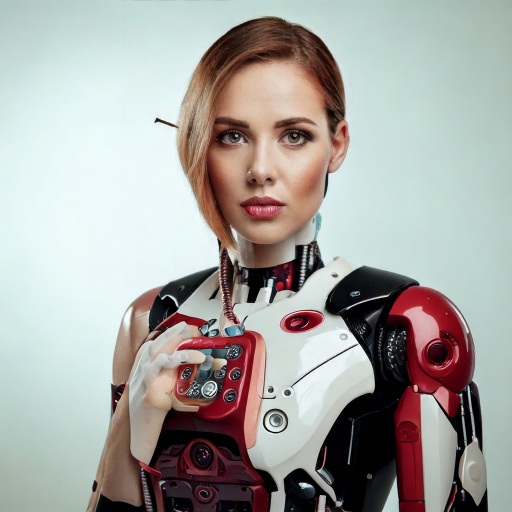
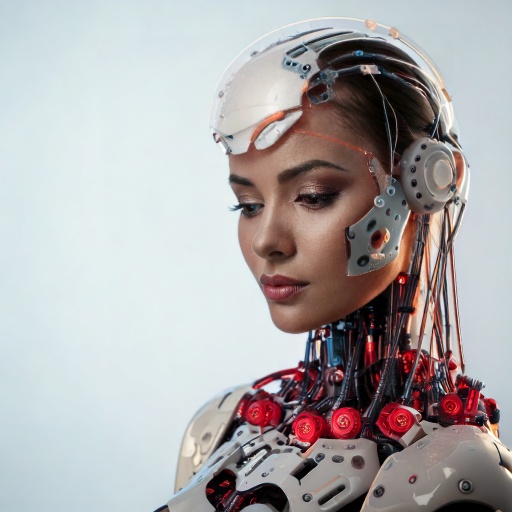
On January 30, 2026, researchers from MIT introduced an innovative approach to building biohybrid robots that combine living muscle tissue with onboard electronics. Unlike conventional robots that rely solely on motors and actuators, these biohybrid machines leverage living muscles for movement, offering more efficient and adaptive motion. The integration of electronics enables autonomous control, sensing, and power management, paving the way for untethered operation in environments ranging from microsurgery to unmanned exploration.
Why This Matters for Non-Human Workers
This development is significant because it bridges biology and robotics, creating machines that can interact with their surroundings in a more natural and flexible way. By embedding electronics into living systems, these biohybrid robots can sense stimuli and adjust their movements in real time, similar to how a biological organism responds to its environment. For industries exploring advanced automation, these robots represent a new type of AI Employee capable of performing delicate tasks that traditional machines struggle with.
Potential Applications and Future Outlook
The research highlights several potential applications:
- Medical robotics: Microsurgical procedures where precise, adaptive motion is critical.
- Exploration robots: Small, untethered machines capable of navigating challenging terrains.
- Advanced AI interfaces: Integration with Voice AI Agents for responsive control in dynamic environments.
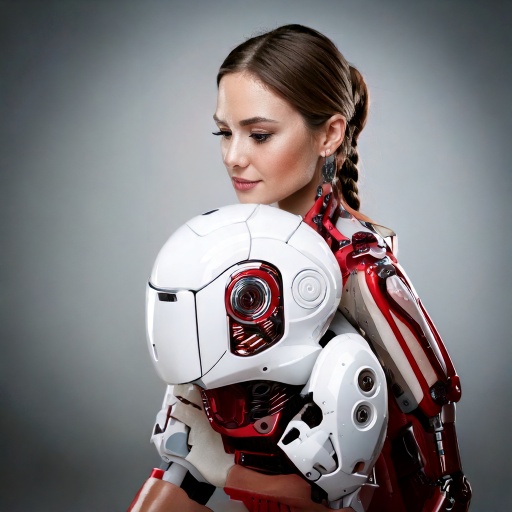
Looking forward, the MIT team emphasizes the importance of improving energy efficiency and developing scalable manufacturing methods. As electronics and biological components continue to merge, the line between living systems and robotic workers becomes increasingly blurred, offering exciting opportunities for Non-Human Workers in both research and practical applications.
Key Highlights:
- MIT researchers developed biohybrid robots using living muscles integrated with electronics.
- These robots can operate untethered and autonomously, sensing and reacting to their environment.
- Potential applications include microsurgery, exploration, and AI-assisted control.
- The work represents a step forward in creating adaptable AI Employees and advanced Non-Human Workers.
- Published on January 30, 2026, in Nature Electronics.
Reference: