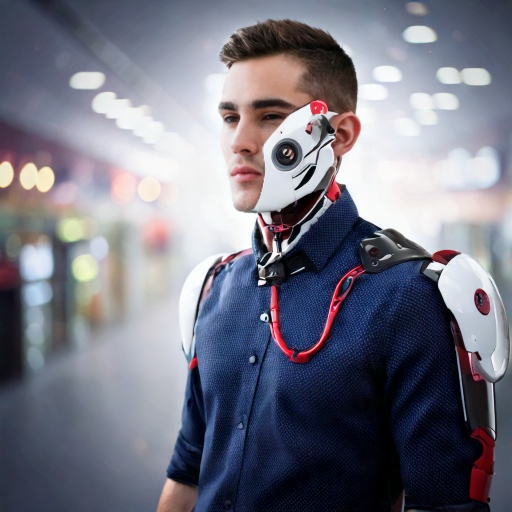
January 2026 marked a powerful start for the robotics industry, with major innovations and market developments emerging from CES and beyond that signal a shift toward AI-driven automation, advanced humanoids, and new types of Non-Human Workers. According to The Robot Report, the month saw a wave of robotics announcements — from funding rounds and autonomous systems to high-profile robot unveilings — that are shaping the trajectory of automation for the year ahead.
CES 2026: Showcasing Next-Gen AI Employee Robots
The Consumer Electronics Show (CES), held January 6–9 in Las Vegas, became a focal point for robotics news, highlighting how AI Employee systems and humanoid machines are moving beyond prototypes toward real work roles. Hyundai and Boston Dynamics publicly demonstrated the Atlas humanoid robot, showcasing its human-like movement and laying out plans for industrial deployment in automotive assembly by 2028 — a significant milestone in embodied robotics at a major tech showcase.
Industry announcements also featured accessible household and service robots. SwitchBot’s Onero H1 humanoid base — marketed as an AI household assistant capable of tasks like laundry — underscored the expanding role of robotics in everyday environments.

Milestones in Industry and Funding
Alongside hardware unveilings, several companies made strategic moves to scale robotics capabilities. Startups and established firms alike closed funding rounds and revealed next-generation autonomous systems designed to function as Non-Human Workers in logistics, manufacturing, and beyond. The Robot Report highlighted corporate investment activities that point toward accelerated robot deployment across sectors.
Supporting these advancements, global robotics market data show industrial robot installations reached a record US $16.7 billion in late 2025, signaling strong demand for automation tools that pair physical robotics with AI intelligence.
Why It Matters: AI Autonomy and Workforce Transformation
These developments matter because they reflect how robotics is entering a more practical phase where machines act as AI Employees and Voice AI Agents with real operational capabilities, not just research demos. Robots with advanced autonomy, guided by AI and agentic decision-making, can now adapt to complex environments without constant human supervision — a key trend for 2026.
At the same time, the robotics boom intersects with broader debates about employment and labor. As intelligent machines take on routine or hazardous tasks, society is grappling with the implications for human workers — from re-skilling priorities to new roles in managing these hybrid human-robot teams. External tech analysis notes that autonomous AI systems reshape workforce dynamics, underscoring the importance of governance, upskilling, and strategic integration of AI agents alongside humans.
Key Highlights:
- January 2026 was defined by robotics innovation, especially at CES, where humanoid and service robots took center stage.
- Major demonstrations included Boston Dynamics and Hyundai’s Atlas robot, hinting at future industrial roles for humanoid robots.
- Consumer-focused machines like SwitchBot’s Onero showed how robotics could enter everyday life.
- Funding rounds and automation system announcements point to scaling of autonomous and industrial robotics.
- Broader industry trends emphasize AI autonomy, collaboration with human workers, and workforce transformation pressures.
Reference:
https://www.therobotreport.com/top-10-robotics-developments-of-january-2026/