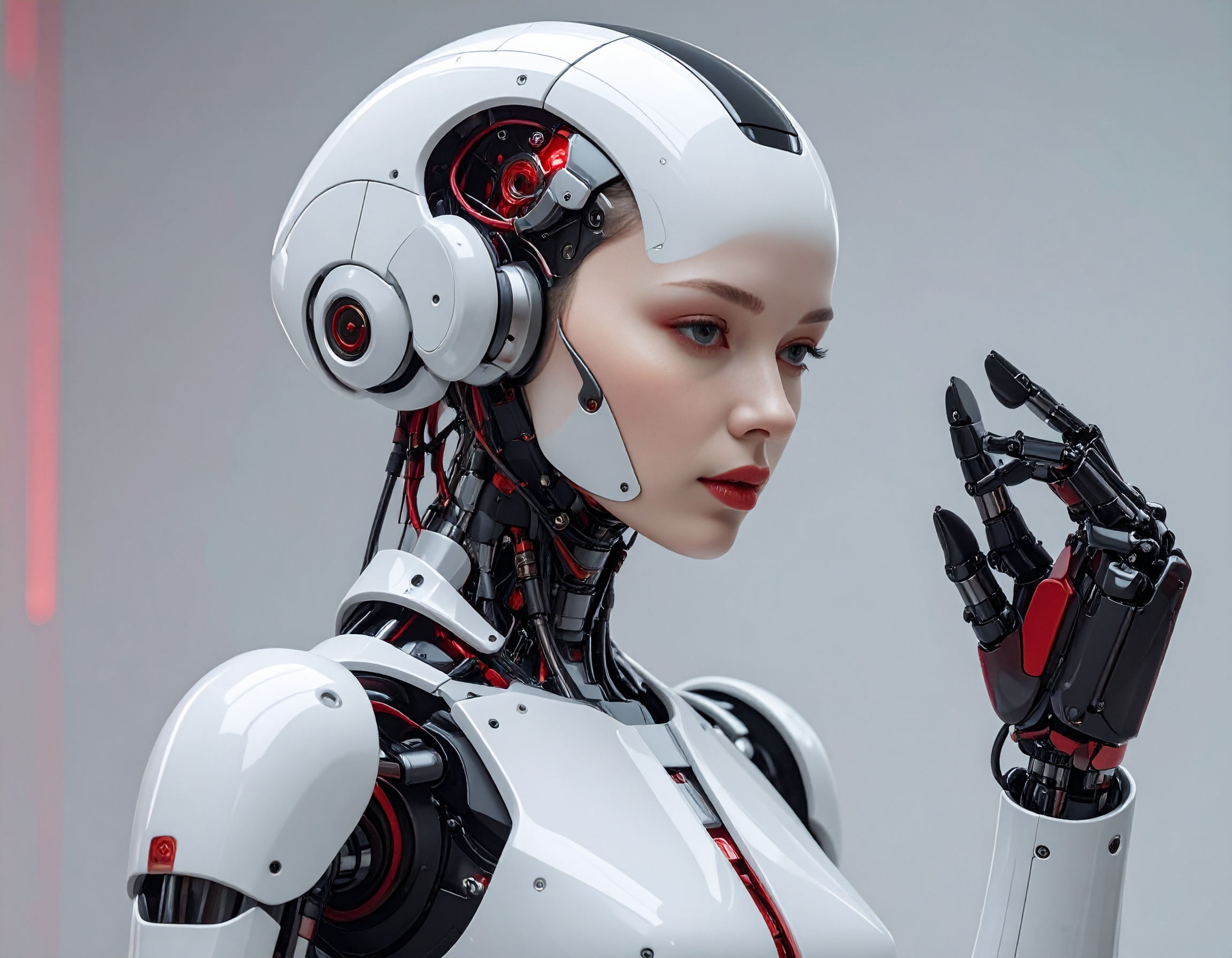
Eldercare Meets the Age of AI Workers
On November 24, 2025, a report by Xinhua highlighted how China is rapidly deploying “non-human workers” — in the form of service robots and AI-powered devices — into the eldercare sector, as the country grapples with a large and growing senior population. In a rehabilitation centre in Beijing’s Fengtai District a 76-year-old man, once dependent on a human caregiver, now walks with the help of a robotic exoskeleton equipped with sensors and motors.
This marks a shift: the notion of an “AI employee” or “voice AI agent” may once have seemed futuristic, but here non-human workers are becoming real in our daily lives.
Why It’s Significant — Demand, Policy, Deployment
Several key factors are driving this trend:
- By end of 2024 China’s population aged 60 + reached about 310 million (~22 % of total).
- Government policy is actively supporting eldercare robots: new guidelines emphasise humanoid robots, brain-computer interfaces and AI in senior care, and local governments like Beijing and Jiangsu are pushing pilot programs.
- Real-world applications are already visible: in a nursing home in Shenzhen, robots play chess with seniors, deliver AI-assisted therapies, and help with mobility support.
These developments matter because they signal a major transformation of how society cares for its elders: AI employee-type robotics may scale to meet care-gaps where human labour is limited.

Challenges on the Road to Widespread Use
However, for non-human workers to become commonplace in eldercare, significant hurdles remain:
- Some seniors remain skeptical and worry about safety: “If a machine malfunctions, it could hurt me.”
- The algorithmic and scenario-data challenge: companies say they lack sufficient real-world training data from seniors’ homes or institutions to improve robot usability.
- Cost remains a barrier: exoskeleton aids may cost > 10,000 yuan, bathing‐assist robots average 30,000-50,000 yuan, which places them out of reach for most households.
These obstacles suggest that while the era of Voice AI Agents and robotic carers is advancing, scaling and acceptance are far from guaranteed.
Key Highlights:
- China is rapidly integrating robotics and AI into eldercare to address its aging population.
- Government reforms and policies are accelerating adoption of “AI employees” and service robots in senior care settings.
- Real-world use cases already exist: exoskeletons, robotic companions, AI-assisted therapies in nursing homes.
- Significant challenges remain: senior user acceptance, safety concerns, lack of data for algorithms, and high costs limiting household adoption.
- The move signals a broader shift toward non-human workers in service roles — with important implications for how societies care for older citizens.
Reference:
https://english.news.cn/20251124/d2d0cd8e026848fbbb93e2b5cb29d799/c.html