Religion Meets Robotics and AI
In late 2024 and into 2025, religious institutions around the world began experimenting with AI Employees and Non-Human Workers to support spiritual practice and community engagement. A notable example is a Swiss church in Lucerne, where an AI-powered hologram of Jesus was installed inside St. Peter’s Church as part of an art and research project called Deus in Machina. This system, using advanced language models and voice technologies, could converse with visitors in over 100 languages, offering reflections and guidance much like a confessional experience — though with explicit warnings that it was a technological experiment, not a sacrament. Many visitors reported feeling comforted or guided by the interaction, even though the system was ultimately machine-driven rather than human.
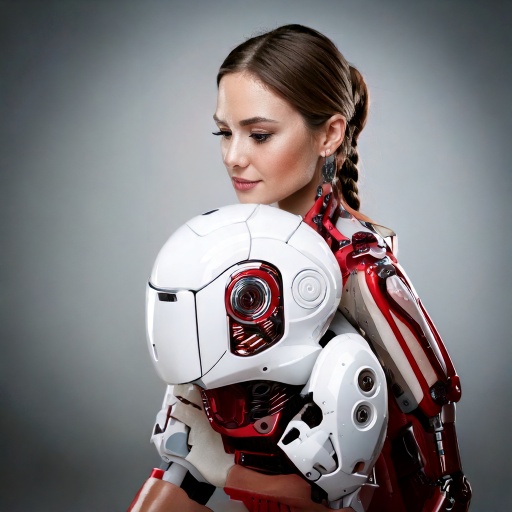
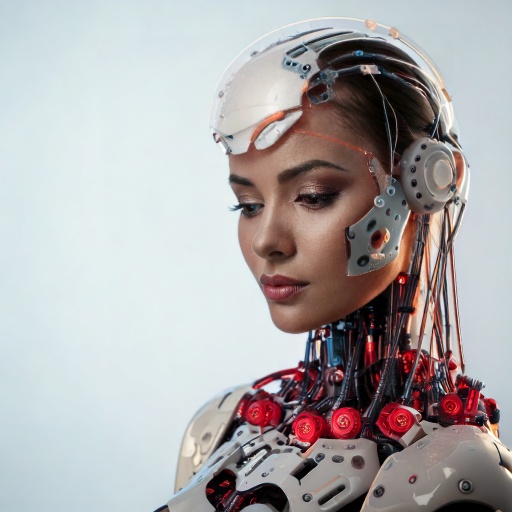
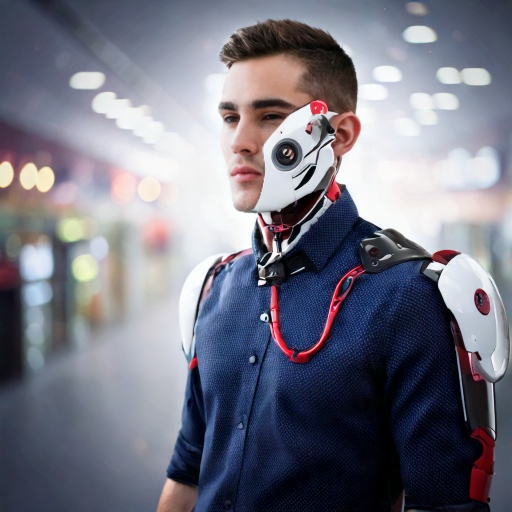
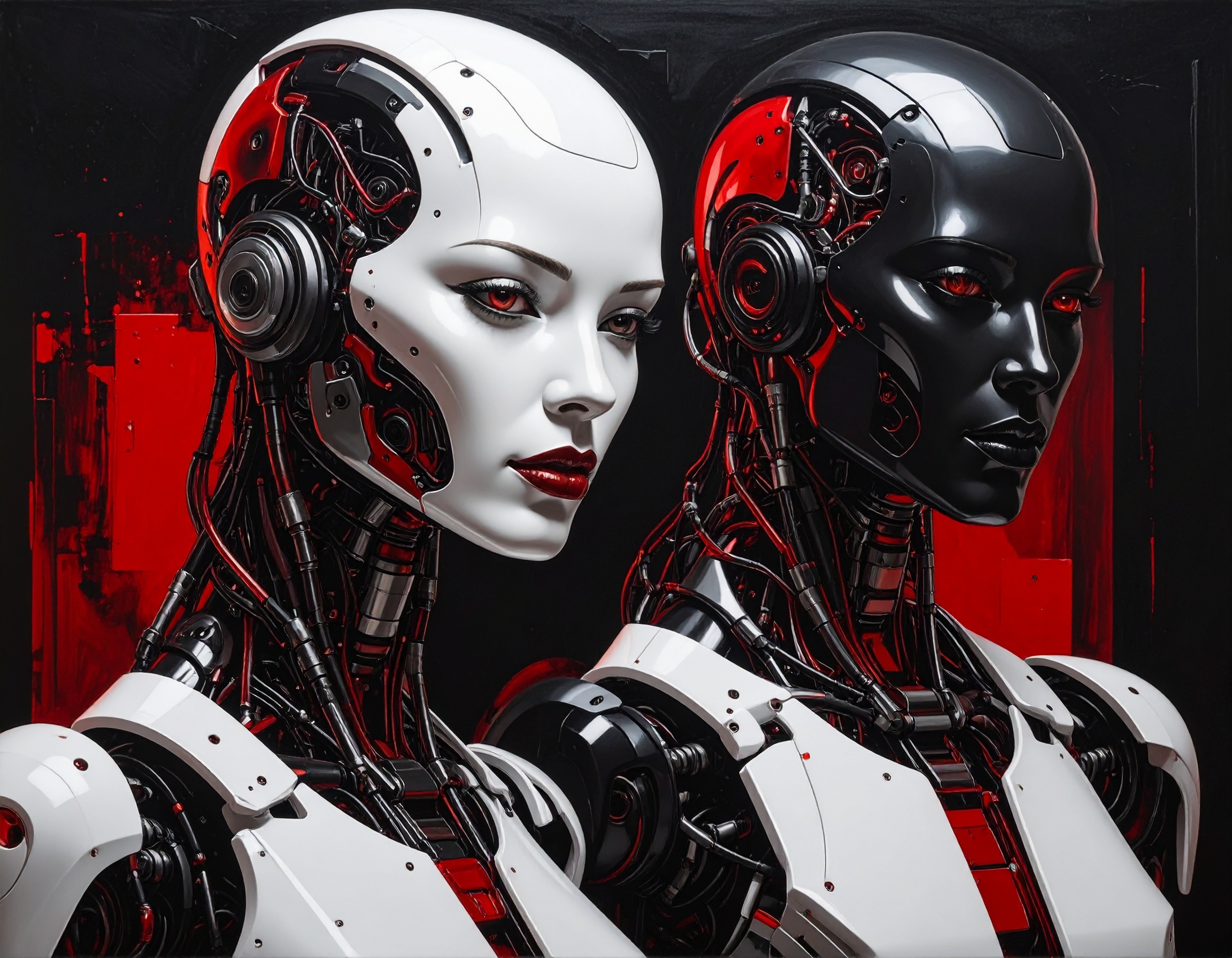
Across religious traditions, similar experiments show how Voice AI Agents and robotics are being deployed. For example, Japan’s Mindar robot — a humanoid figure preaching Buddhist teachings — has been drawing attention for bringing ancient doctrines to life through programmed sermons, blending technology with centuries-old practice. While tech-infused practices like this are not always rooted in real-time AI conversation, they reflect a broader trend of blending mechanical or digital “workers” with sacred contexts.
Why This Matters Now
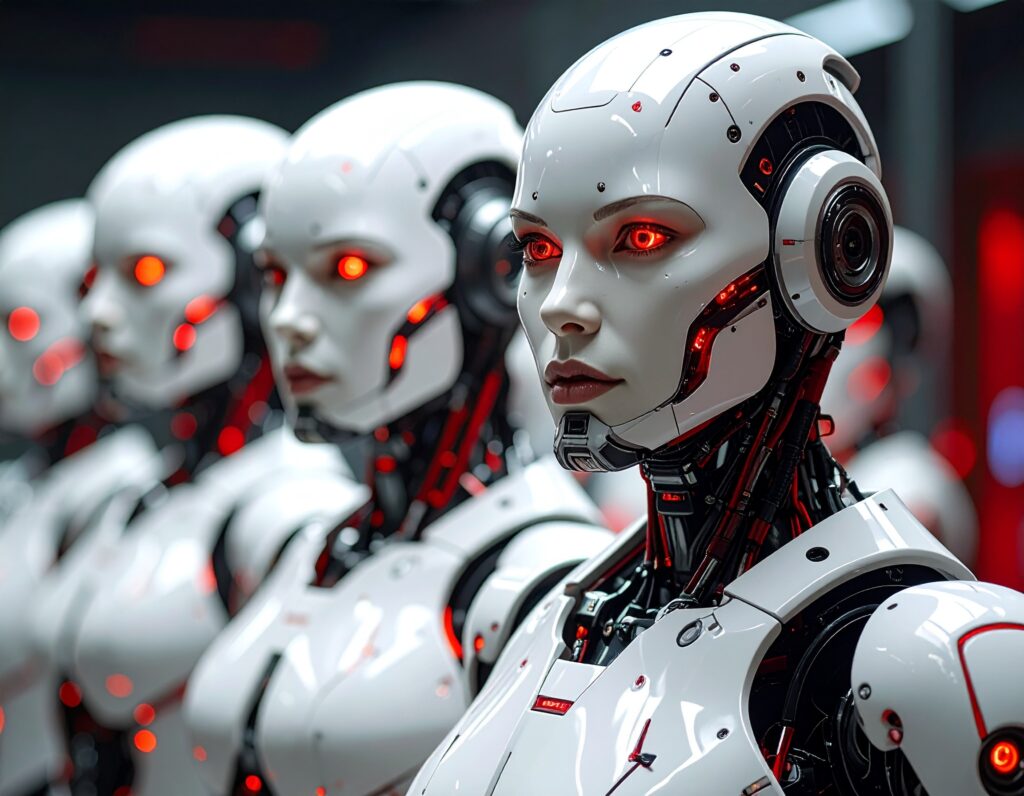
These developments are significant because they involve Non-Human Workers stepping into roles traditionally held by human clergy or spiritual leaders. With AI tools and robotic systems increasingly capable of voice interaction, multilingual communication, and ritual automation, religious communities are reassessing how technology can support — or challenge — spiritual life. These innovations are not simply novelties: they raise important questions about authenticity, community needs, and what it means to provide pastoral care when a machine can answer questions or offer spiritual reflection 24/7.
This shift towards AI integration comes against the backdrop of broader discussions on how artificial intelligence impacts society at large — from workplace automation to ethical debates around AI agency and human dignity. Deploying AI and robotics in religious contexts highlights the tension between efficiency and empathy, and signals that institutions are increasingly open to technological assistance. At the same time, theologians and believers are cautious about where to draw lines between machinic help and the deeply human elements of faith and spiritual guidance.
Broader Implications for Faith and Community
The introduction of AI Employees in religion suggests both opportunity and challenge. On the one hand, these tools can make rituals, teachings, and support more accessible — bridging language barriers and offering availability beyond traditional human limitations. On the other hand, the presence of Voice AI Agents in roles resembling confessionals or sermon delivery prompts reflection on whether digital agents can genuinely embody the trust, moral insight, and relational depth expected from spiritual leaders. Regardless of how one views these technologies, their growing use in sacred spaces underscores a broader cultural moment where technology reshapes not only work and communication but also existential and spiritual dimensions of life.
Key Highlights:
- Swiss church in Lucerne used an AI-powered Jesus hologram for multilingual spiritual interaction in 2024–2025.
- Robotics like Japan’s Mindar illustrate how Non-Human Workers can deliver religious messages and practices.
- AI Employees and Voice AI Agents raise questions of authenticity, community expectations, and the future of pastoral care.
- Broader debates focus on balancing technological support with preservation of human relational depth in religion.
Reference:
https://www.dw.com/en/using-ai-and-robots-in-the-service-of-religion/video-75301414